
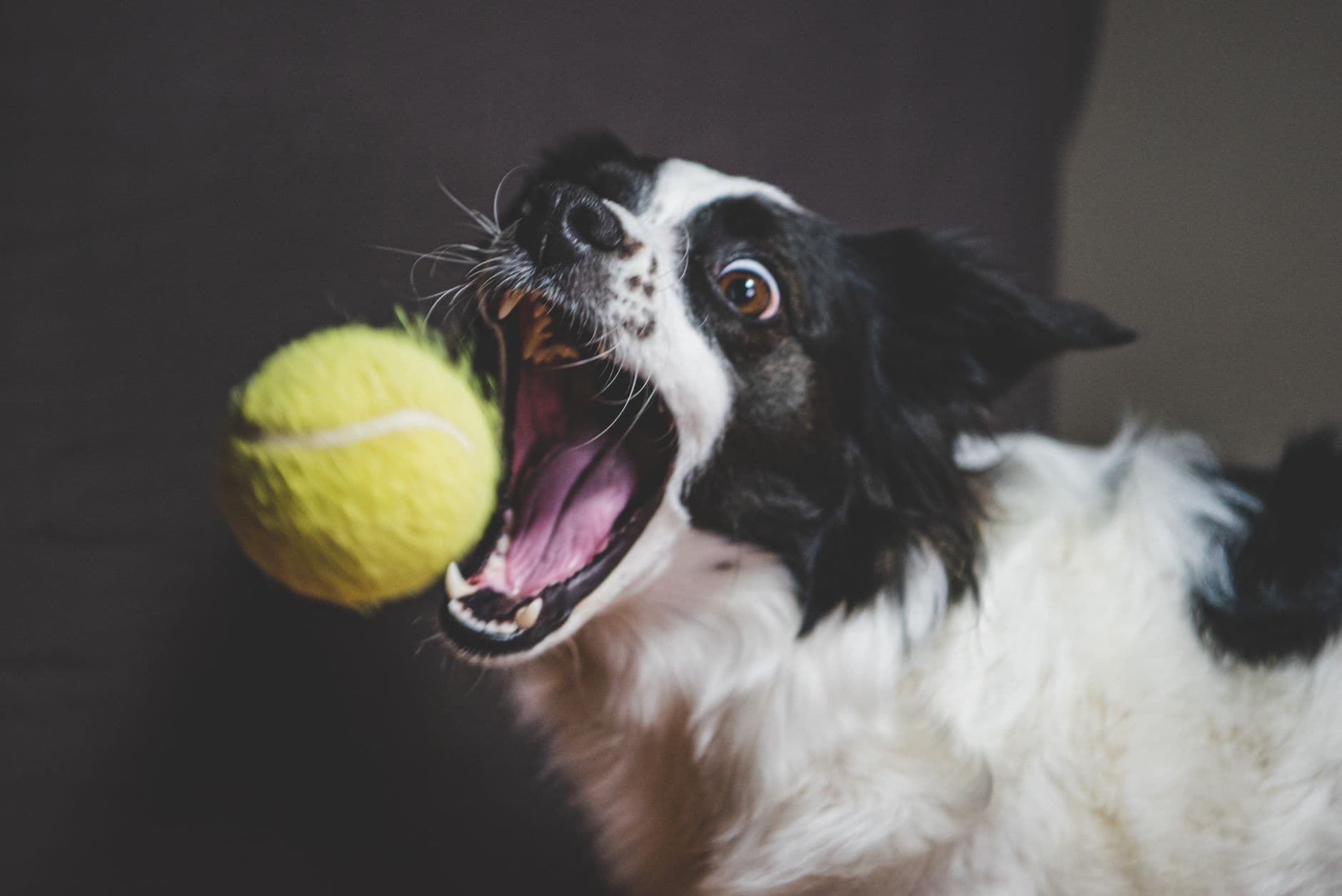
Dental disease is the most common health problem vets see in New Zealand cats and dogs — and the single best thing you can do at home is brush your pet's teeth daily with a pet (never human) toothpaste. Dental chews, special diets and water additives genuinely help busy owners, but they don't replace brushing or a professional vet clean once tartar has built up. Here's the honest, vet-informed guide to keeping your pet's mouth healthy in NZ.
If your dog's breath could knock you over, or your cat has started chewing on one side, the cause is almost always the same thing: dental disease. It's the most common health problem vets see in New Zealand cats and dogs — and the good news is that most of it is preventable at home. The single best thing you can do is simple, free-ish and takes two minutes a day: brush your pet's teeth with a pet toothpaste (never the human stuff). Dental chews, special diets and water additives are genuinely useful for busy owners, but they're add-ons — they help, they don't replace brushing or a proper vet clean once tartar has set in.
Here's the honest, vet-informed rundown: why dental health matters more than most owners realise, how to start brushing without a fight, the realistic extras that actually work in NZ, and what to expect when your pet needs a professional clean.
Why dental disease is such a big deal
By around three years of age, the majority of dogs and cats already have some degree of dental disease, according to veterinary references. It starts as a soft film of plaque on the teeth. Within a couple of days that plaque hardens into tartar (the yellow-brown crust), which creeps under the gumline and triggers gingivitis — red, sore, sometimes bleeding gums. Left alone, it becomes periodontal disease: the structures holding the tooth in place break down, the tooth loosens, and it becomes genuinely painful.
The part owners often miss is that this isn't just about the mouth. Chronic dental infection is a constant source of pain and inflammation, and there's veterinary concern about links between advanced periodontal disease and the heart, liver and kidneys. For an older cat especially, a sore mouth can be the hidden reason they've gone off their food or lost weight.
A lot of Kiwi owners think a bit of "dog breath" or "fish breath" is just how pets are. It isn't. Persistent bad breath is usually the first sign of dental disease — bacteria building up under the gums. If your pet's breath has turned, it's worth a vet check rather than a mint.
The sneaky thing is that pets are stoic. A cat with a painful, infected mouth will often keep eating right up until it can't — so by the time you notice a problem, it's frequently well advanced. That's exactly why prevention beats waiting for symptoms.
The gold standard: brushing your pet's teeth
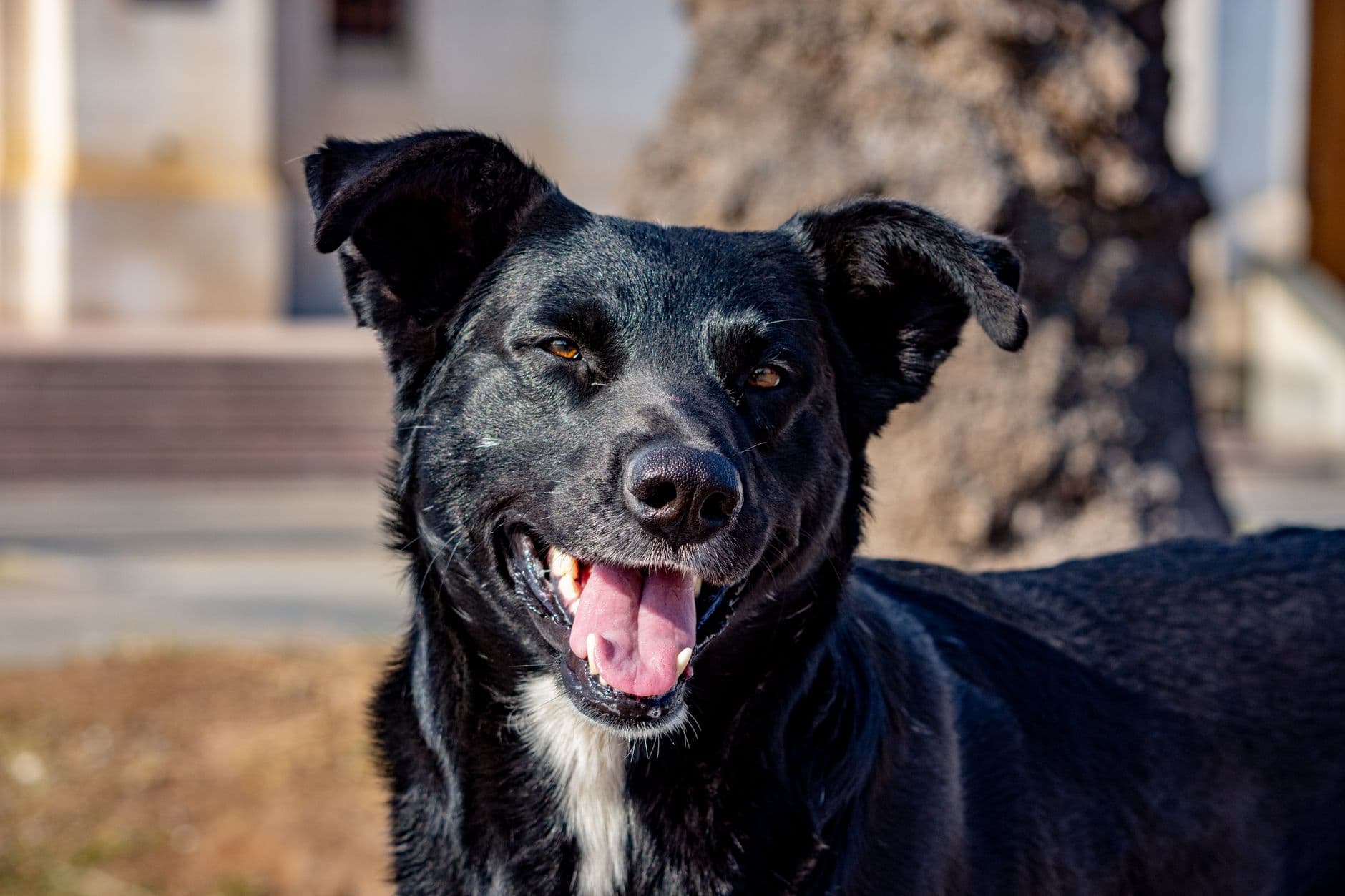
If you do one thing, make it this. Daily brushing is the single most effective way to prevent dental disease, because it physically removes plaque before it can harden into tartar. Plaque turns to tartar in just a day or two, which is why "once a week" doesn't really cut it — daily is the goal, though even a few times a week beats nothing.
You'll need two things: a pet toothbrush (a soft-bristled one, or a rubber finger brush that slips over your fingertip) and a pet-specific enzymatic toothpaste such as Virbac's enzymatic paste. These pastes are designed to be swallowed and come in flavours like poultry or malt, so most pets treat them as a treat rather than a chore.
Human toothpaste is not safe for pets. It can contain fluoride and xylitol, both of which are toxic to dogs and cats if swallowed — and your pet can't spit it out the way you do. Always use a pet-specific toothpaste. It's a small thing that matters a lot.
How to start (without a wrestling match)
The trick is to go slow and make it positive. Rushing in with a brush on day one is how you end up with a pet that bolts at the sight of you. Build it up over a couple of weeks:
- Days 1–3: Let your pet lick a little of the pet toothpaste off your finger, so they decide it's a treat. Praise them.
- Days 4–7: Gently rub a bit of paste along the outside of a few teeth and gums with your finger. Keep it short and calm.
- Week 2: Introduce the toothbrush or finger brush with paste on it. Lift the lip and brush the outer surfaces in small circles — that's where most tartar forms. You don't need to worry much about the inner surfaces or prying the mouth wide open.
- Ongoing: Aim for daily, ideally at the same time (after dinner works for many people). Finish with a fuss or a play so it ends on a high.
Dogs usually come round faster than cats, but plenty of cats accept brushing if you start gently and never force it. If your pet is genuinely distressed or you can't get near the mouth, don't battle on — lean on the add-ons below and talk to your vet.
Got a puppy or kitten? You've struck gold. Pets who get used to having their mouth handled and brushed as youngsters take it completely in their stride as adults. If you've got an older pet, it's still worth starting — just be patient and go at their pace.
Realistic add-ons for busy owners
Let's be honest: not everyone manages to brush daily, and some pets simply won't have it. The good news is there are extras that genuinely help — just go in clear-eyed that they support brushing, they don't replace it, and they can't shift tartar that's already cemented on.
When you're choosing dental products, the gold-standard tip is to look for VOHC acceptance — the Veterinary Oral Health Council awards its seal to products with proper evidence they reduce plaque or tartar. It's the closest thing to an independent tick of approval.
- Dental chews and treats. A good chew works by scrubbing the tooth as your pet gnaws. Our pick is Virbac C.E.T. enzymatic chews, which pair that mechanical scrubbing with enzymes — and look for the OraVet range too, which adds a coating that helps stop plaque sticking. For a tasty everyday option dogs love, Greenies are popular and effective. The catch: a chew only reaches the teeth it touches, so it tends to miss the small front teeth. We dig into the best options for each species in our guides to the best dental chews for dogs and the best dental treats for cats.
- Sprinkle-on powders. ProDen PlaqueOff is a seaweed-based powder you add to the food daily. It's a tidy option for fussy pets or cats that won't be brushed, and it works from the inside out via the saliva. It won't remove existing tartar, but it can help slow new build-up.
- Dental diets. Some vet dental diets use larger, specially-textured kibble that scrubs the tooth as the pet chews, rather than shattering. Worth asking your vet about, especially for dogs.
- Water additives. A tasteless liquid you add to the water bowl. The least hands-on option of all — handy as a small extra, though the evidence is more modest than for brushing or chews.
Be careful with very hard chews — think real bones, antlers, hooves and hard nylon toys. They're a common cause of broken teeth in NZ dogs, which is painful and means an expensive extraction. A good rule: if you can't dent it with your thumbnail or it wouldn't bend, it's too hard. Stick to purpose-made dental chews.
When brushing and chews aren't enough: the vet clean
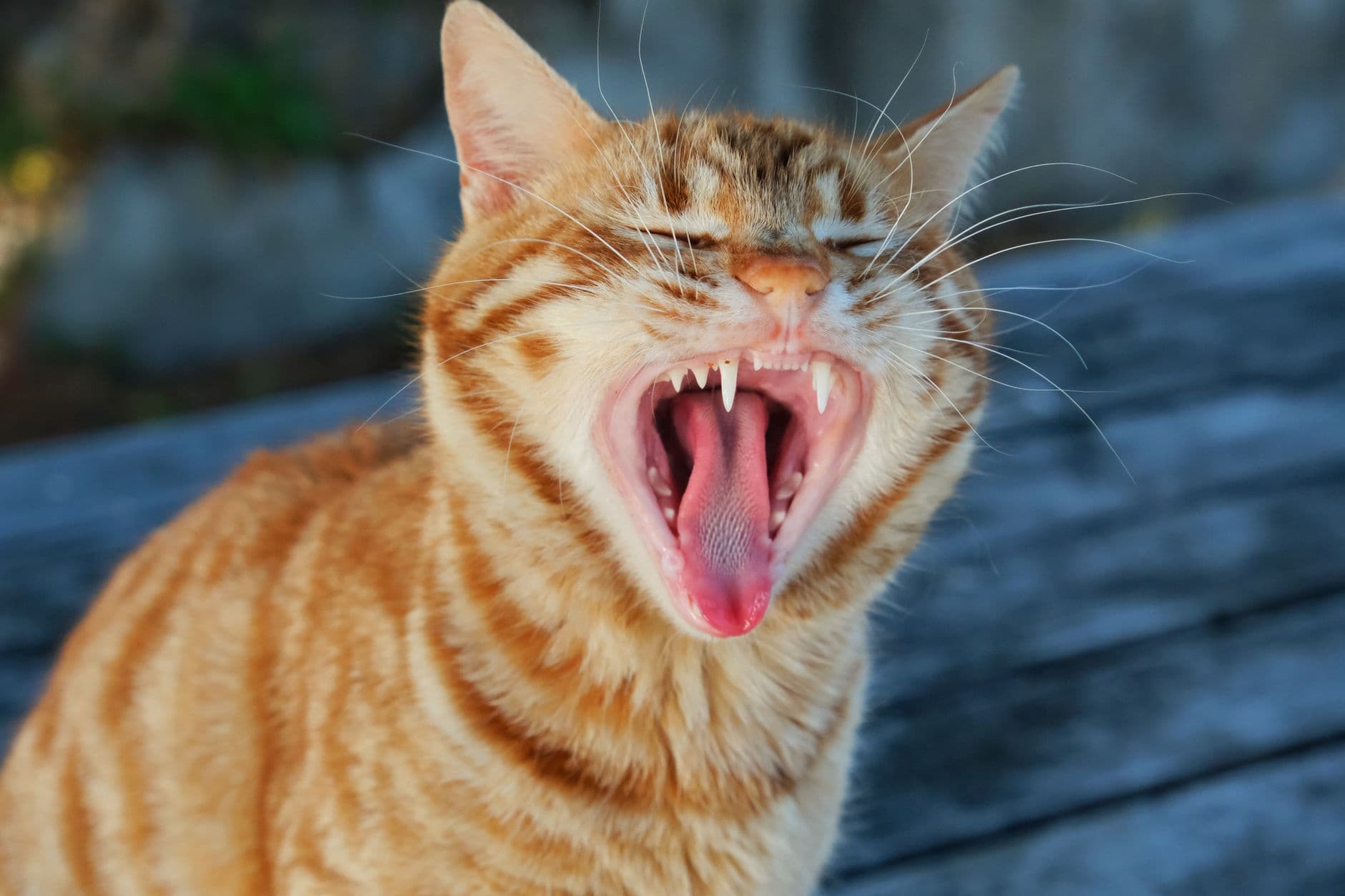
Here's the honest bit. Once tartar has hardened and crept below the gumline, nothing you do at home will remove it — not brushing, not chews, not powders. At that point your pet needs a professional dental clean at the vet, and the most important thing to understand is that a proper clean is done under general anaesthetic.
That can sound scary, but it's normal and, with modern veterinary protocols, safe for the vast majority of pets. Anaesthesia is necessary because a real clean means scaling tartar from below the gumline, probing and X-raying each tooth to find hidden disease, and polishing — none of which a conscious animal will tolerate, and trying to do it awake is both painful and stressful for them. Before the procedure your vet will typically run a health check and often blood tests, and your pet is monitored closely throughout. You can find a vet through the NZVA if you don't have a regular clinic.
Book a vet check if you notice bad breath, red or bleeding gums, broken or loose teeth, drooling, or your pet dropping food or chewing on one side. For cats, a pet that suddenly goes quiet or stops eating can be in dental pain — don't wait it out. Catching dental disease early often means a simple clean instead of extractions later.
You may have seen "anaesthesia-free dental cleaning" advertised. Be wary: it only scrapes the visible surface of the tooth to make it look whiter, and completely misses the disease under the gumline where it actually matters. Veterinary bodies advise against it for that reason. A clean mouth isn't just about white teeth — it's about healthy gums and what's happening underneath.
Cats vs dogs: a few differences
The basics are the same, but there are some species quirks worth knowing.
Cats are prone to a painful condition called tooth resorption, where the tooth structure breaks down from the inside — often hidden below the gum, which is one more reason a vet clean with X-rays matters. Cats also tend to hide pain extremely well, so a cat that's gone quiet, fussy with food, or is grooming less may have a sore mouth. Many cats resist brushing more than dogs, so PlaqueOff and dental treats often do more of the heavy lifting for them.
Dogs are more likely to break teeth on hard chews and toys, and small breeds (and short-faced breeds like pugs) are especially prone to crowded teeth and faster tartar build-up. The upside is dogs are usually far easier to train to accept brushing and they love a dental chew, so you've got more tools to work with.
The bottom line
Dental disease is the most common health problem in NZ cats and dogs, it's painful, and most of it is preventable. The plan that actually works: brush daily with a pet toothpaste (the gold standard), back it up with a VOHC-accepted dental chew or a sprinkle of PlaqueOff for the days life gets in the way, skip the rock-hard bones, and get a professional vet clean when tartar has built up — under anaesthetic, which is routine and safe. Do that, and you'll save your pet a lot of pain and yourself a lot of money down the track.
Want a hand staying on top of it? Grab our free reminder below — we'll nudge you so brushing and dental check-ups don't slip.
Never forget a flea treatment again
Get our free NZ Flea & Worming Reminder Calendar — a simple month-by-month plan for your cat or dog.
No spam. Unsubscribe anytime. We'll email you the calendar and occasional NZ pet-health tips.
The options compared
- Best for
- Daily dental chew that does real work (VOHC-style)
- Protects
- Plaque, tartar, fresher breath
- Best for
- Targeting plaque and tartar in dogs
- Protects
- Plaque, tartar, a breath barrier
- Best for
- Daily brushing — the gold standard
- Protects
- Plaque at the source, gum health
- Best for
- A sprinkle-on-food option for fussy pets
- Protects
- Plaque and tartar (seaweed-based)
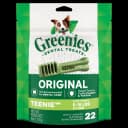
- Best for
- A tasty everyday dental treat dogs love
- Protects
- Plaque, tartar, fresher breath
| Product | Best for | Protects against | Price (NZ$) | Rating | |
|---|---|---|---|---|---|
★ Top pickVirbac C.E.T. Enzymatic Chews | Daily dental chew that does real work (VOHC-style) | Plaque, tartar, fresher breath | — | 4.8 | Check price at Vetpost |
OraVet Dental Chews | Targeting plaque and tartar in dogs | Plaque, tartar, a breath barrier | — | 4.6 | Check price at Vetpost |
Virbac Enzymatic Pet Toothpaste | Daily brushing — the gold standard | Plaque at the source, gum health | — | 4.7 | Check price at Vetpost |
ProDen PlaqueOff | A sprinkle-on-food option for fussy pets | Plaque and tartar (seaweed-based) | — | 4.4 | Check price at Animates |
Greenies Dental Treats | A tasty everyday dental treat dogs love | Plaque, tartar, fresher breath | — | 4.5 | Check price at Pet Direct |
Our budget & premium picks
FAQs
Sources
- Companion animal health and dental care advice — Companion Animal New Zealand
- Dental disease in small animals — Merck Veterinary Manual
- Find a vet and animal health advice — New Zealand Veterinary Association
- Global dental guidelines for dogs and cats — WSAVA global guidelines
Never forget a flea treatment again
Get our free NZ Flea & Worming Reminder Calendar — a simple month-by-month plan for your cat or dog.
No spam. Unsubscribe anytime. We'll email you the calendar and occasional NZ pet-health tips.