
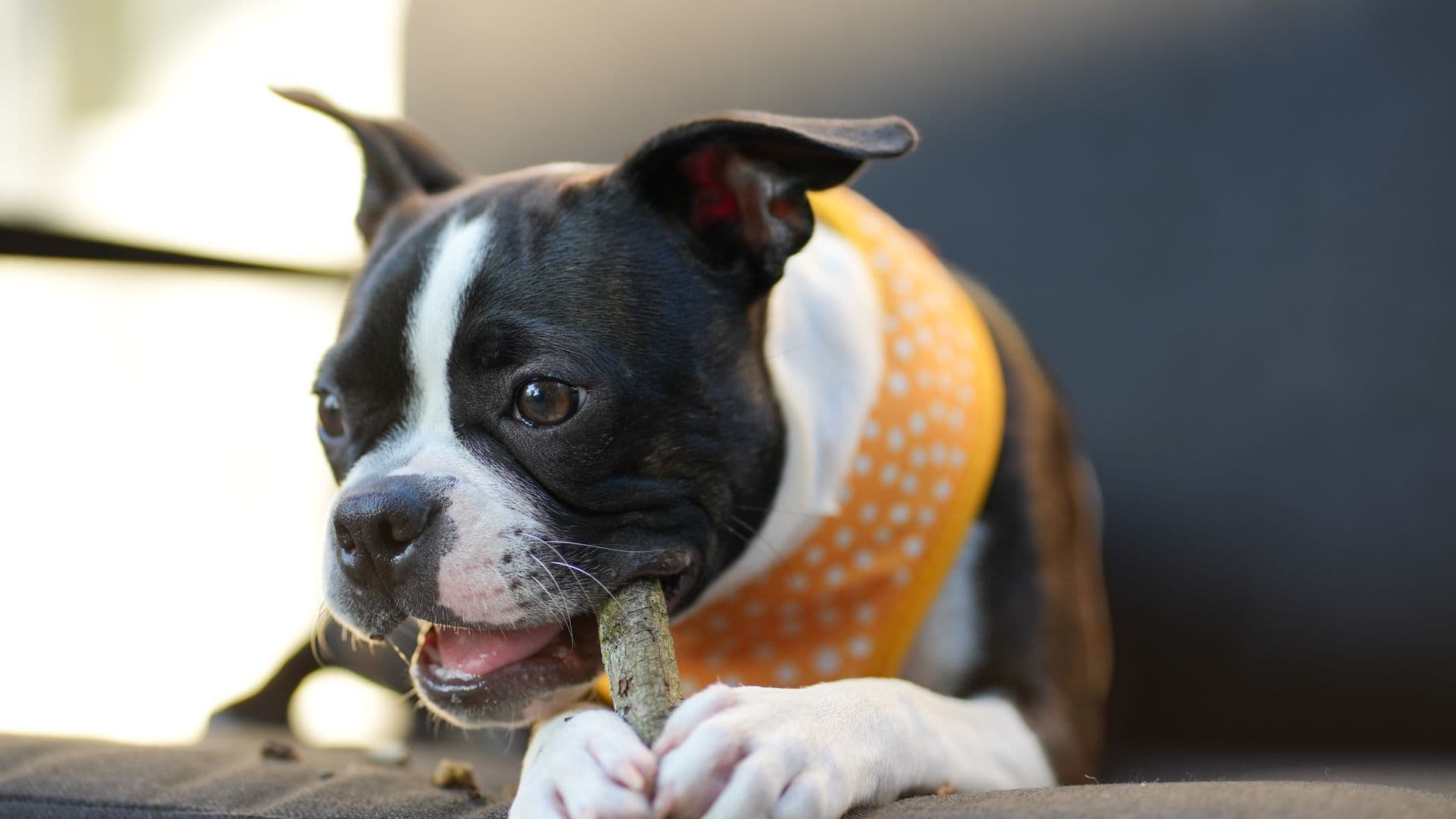
If you're after a quick way to help your dog's teeth between brushes, a good dental chew is one of the easiest wins going. The short answer: pick a chew with a VOHC seal (independent proof it works), get the right size for your dog, and count it into their daily food so it doesn't quietly add weight. Our top NZ picks below are Greenies for an easy daily treat, Whimzees for a natural grain-free option, and OraVet if you want a chew with an added plaque-fighting ingredient.
One honest thing up front: chews help cut plaque, but they don't replace brushing or a professional vet clean. Use them alongside both, not instead. Here's how to choose well.
How dental chews actually work
There are two ways a dental chew earns its keep. The first is mechanical: as your dog gnaws, the chew drags across the surface of the tooth and wipes away soft plaque — the sticky film of bacteria that builds up every day — before it hardens into stubborn tartar. The chewing also gets saliva flowing, which helps rinse the mouth. This is why chews that take a bit of effort to get through tend to do more than ones that vanish in two bites.
The second way is chemical. Some chews are coated with an ingredient that slows plaque from sticking in the first place, so the cleaning effect lasts a little longer than the chew itself. OraVet is the best-known example in this group.
Both approaches genuinely reduce plaque and tartar — that part is well supported (Merck Veterinary Manual). But it's worth being clear about the limits. Chews only clean the parts of the tooth they touch — the visible crowns — and not the spots below the gumline where the serious trouble (periodontal disease) starts. By around age three, most dogs already have some gum disease (WSAVA global guidelines). So a chew reduces a problem; it doesn't cure one.
The single most effective thing you can do for your dog's teeth at home is brush them with a dog-specific toothpaste — never human toothpaste, which contains fluoride and sometimes xylitol that are unsafe for dogs. Brushing physically removes plaque from places a chew can't reach. The ideal routine is brushing most days plus a daily dental chew. New to this? Start with our complete dog and cat dental care guide.
What to look for in a good dental chew
Before you grab the first bag at the checkout, run through these four things:
- A VOHC seal. The Veterinary Oral Health Council tests dental products and only awards its seal to ones proven to reduce plaque or tartar. It's the closest thing to independent proof, so it's a great shortcut when you're unsure.
- The right size for your dog. This is the one people get wrong most. Most brands make small, medium and large versions matched to your dog's weight. Too small and it's a choking risk and gets swallowed whole; too big and your dog can't chew it properly. Check the weight band on the pack.
- Sensible calories. A dental chew is a treat, and treats add up. Many chews run from 60 to over 130 calories each — a real chunk of a small dog's daily intake.
- A texture that flexes, not fractures. You want something firm enough to scrape but soft enough to give. Avoid anything rock-hard (more on that in the safety note below).
The hard chews sold as "natural" tooth cleaners — raw bones, deer antlers, hooves and hard nylon — are a common cause of fractured teeth in dogs, which is painful and usually means the tooth has to come out. The vet rule of thumb is the thumbnail test: if you can't make a dent in it with your thumbnail, it's too hard for your dog's teeth. Always supervise chew time, pick the correct size to avoid choking, and take away any small end-piece before it gets swallowed. If you're ever unsure, your vet or the NZVA can point you to safe options.
Our top dental chew picks for NZ dogs
Here's how the three stack up, then the detail on each.
| Chew | Best for | Active ingredient? | Calories (medium) | VOHC seal | |---|---|---|---|---| | Greenies | Everyday daily treat | No (mechanical) | ~90 | Yes | | Whimzees | Natural, grain-free | No (mechanical) | ~120 | No | | OraVet | Extra plaque control | Yes (delmopinol) | ~50 | Yes |
Greenies — the easy everyday pick
Greenies are the dental chew most Kiwi owners reach for, and for good reason. They carry the VOHC seal, the chewy texture genuinely scrapes plaque as your dog works through it, and dogs love them — which matters, because the best chew is the one your dog actually eats every day. They come in clear weight-based sizes from Teenie up to Large, so there's a fit for most dogs. They're a treat, not a meal, so count the calories into the daily food.
Check price at Pet DirectWhimzees — the natural, grain-free option
If you prefer something more natural, Whimzees are a good shout. They're grain-free, made from a short list of plant-based ingredients, and come in fun shapes (brushes, sticks, alligators) that take a bit of effort to chew through — which is exactly what helps clean the teeth. They don't carry a VOHC seal, but the longer-lasting chewing action does real mechanical work. A solid pick for owners who want to avoid artificial bits and by-products.
Check price at PetstockOraVet — for extra plaque control
OraVet chews are the one with an added trick: they're coated with delmopinol, an ingredient that forms a barrier on the teeth and makes it harder for plaque bacteria to stick. So you get the mechanical scraping plus a chemical helping hand, and they carry the VOHC seal too. A good choice if your dog is prone to fast plaque build-up or you want a bit more from a daily chew. As always, match the size to your dog's weight.
Check price at Vetpost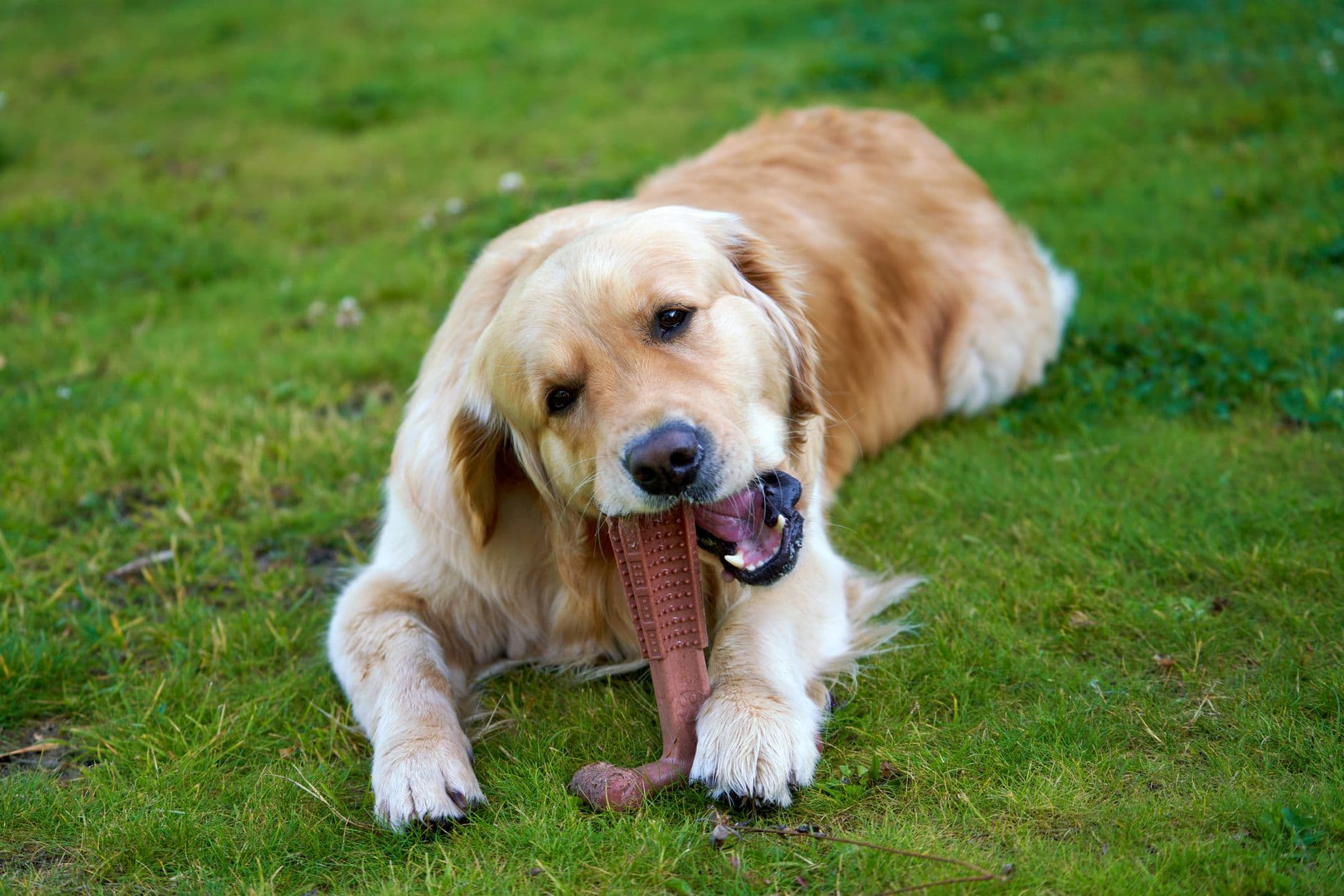
Don't skip the vet check
Even with the best chew and daily brushing, plaque can still creep below the gumline where you can't see or reach it. That's why your vet's check-up matters: they can spot early gum disease and recommend a professional scale-and-polish (done under anaesthetic) before a small problem becomes a sore, expensive one (Companion Animal New Zealand). Watch for bad breath, red or bleeding gums, or your dog going off hard food — all worth a vet call. Chews and brushing keep things ticking along between those visits; they don't replace them.
Never forget a flea treatment again
Get our free NZ Flea & Worming Reminder Calendar — a simple month-by-month plan for your cat or dog.
No spam. Unsubscribe anytime. We'll email you the calendar and occasional NZ pet-health tips.
The bottom line
A daily dental chew is one of the cheapest, easiest things you can do for your dog's teeth — as long as you treat it for what it is: a helpful extra, not a cure. Pick one sized right for your dog, lean toward a VOHC seal if you want proof it works, and count those calories into the daily food. For most dogs, Greenies are the easy daily winner, Whimzees suit owners who want natural and grain-free, and OraVet adds a real plaque-fighting edge. Then pair whichever you choose with regular brushing and a vet check, and you've got your dog's teeth properly covered. New to dog dental care? Start with our full dog and cat dental care guide.
FAQs
Sources
- Periodontal disease and dental care in dogs — Merck Veterinary Manual
- WSAVA global dental guidelines — WSAVA global guidelines
- Companion animal dental health advice — Companion Animal New Zealand
- Veterinary advice for New Zealand pet owners — New Zealand Veterinary Association
Never forget a flea treatment again
Get our free NZ Flea & Worming Reminder Calendar — a simple month-by-month plan for your cat or dog.
No spam. Unsubscribe anytime. We'll email you the calendar and occasional NZ pet-health tips.