
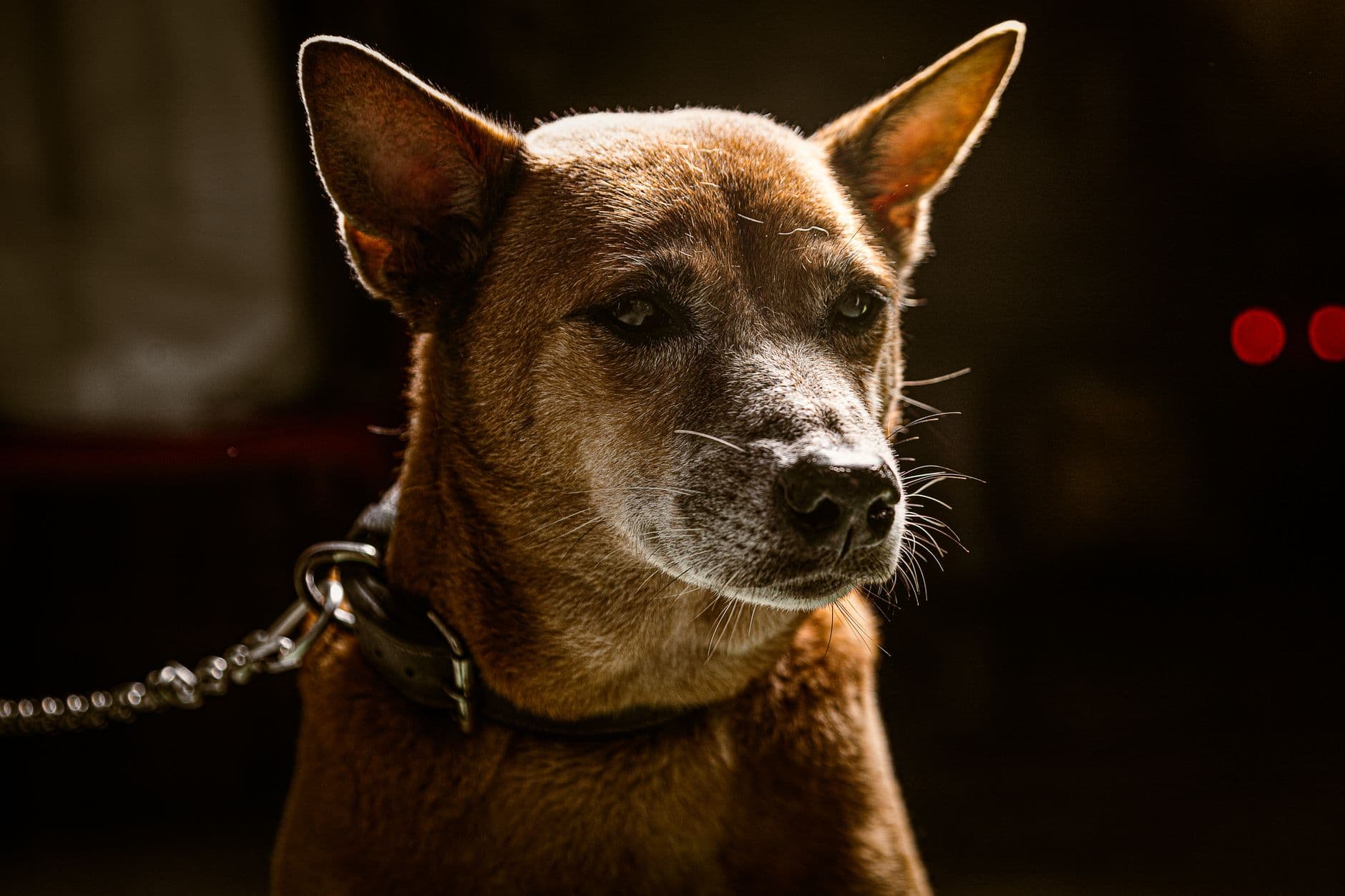
If your old mate is slower getting up in the morning, greyer round the muzzle, or just not quite as sharp as he used to be, the right supplements can genuinely help him feel more comfortable. For most senior NZ dogs we'd start with a green-lipped mussel joint product, add an omega-3 fish oil, and think about a cognitive support if he's getting confused — but only matching each one to what your dog actually needs. Below is what changes as dogs age, and which supplements are worth your money.
The big thing to hold onto first: a supplement supports an ageing body, it doesn't fix illness. The best results come from a whole senior routine — vet checks, healthy weight, good food and gentle exercise — with supplements as the helpful extra, not the main event.
What actually changes as your dog ages
Ageing isn't one thing, it's a few at once. Joints that have done a decade of zoomies start to wear, and cartilage thins, so a dog who used to leap into the boot now thinks twice. The brain changes too, which can show up as confusion or restlessness. Skin and coat can get drier, recovery from a big walk takes longer, and organs like the heart and kidneys can start to grumble (Merck Veterinary Manual).
When a dog counts as "senior" depends on size — big breeds age faster, so a Lab might be senior at seven while a wee terrier sails on to eleven. The point isn't the birthday; it's noticing the changes and adjusting how you care for your dog to match.
Supplements work best as one piece of a bigger picture: a vet check twice a year (older dogs change fast), keeping your dog at a healthy weight (extra kilos punish tired joints), good senior-appropriate food, and gentle, regular exercise — shorter, more often, rather than one big weekend blowout. Get those right and the supplements have something to build on.
Joint support: usually the first thing to add
Stiff, achy joints are the most common reason a senior dog slows down, so joint support is where most people start — and where the evidence is strongest. The standout ingredient in NZ is green-lipped mussel, grown right here in our own waters, alongside glucosamine and omega oils. These don't cure arthritis, but they may help an ageing dog move more comfortably day to day.
Our top pick for most senior dogs is Antinol Rapid, a green-lipped mussel omega blend that's easy to give and has reasonable evidence behind it.
Check price at Pet DirectGive any joint supplement a fair go — usually four to six weeks of daily use — before you judge it, because they work gradually rather than overnight. For the full rundown of options and how to choose, see our best joint supplements for dogs guide. And if your dog already has diagnosed arthritis, read our arthritis in dogs treatment guide too — supplements are only one part of managing that.

Omega-3 fish oil: the all-rounder
If you only add one extra alongside joint support, make it a good omega-3 fish oil. The EPA and DHA in fish oil are genuine all-rounders for older dogs — they support joint comfort, help keep an ageing coat and skin healthy, and play a supporting role in heart and brain health (Merck Veterinary Manual). That's a lot of value from one bottle, which is why vets so often reach for it.
Look for a product made for dogs with a decent level of EPA and DHA, and store it well so it doesn't go rancid. A trusted NZ option is Blackmores PAW Osteocare, which pairs joint support ingredients with omega oils.
Check price at AnimatesCognitive support: when your old dog seems confused
One of the saddest parts of a dog getting old is watching them get a bit lost — standing in corners, staring at walls, pacing at night, or seeming to forget familiar routines. This is canine cognitive dysfunction, often nicknamed "doggy dementia", and it's a real, recognised condition caused by ageing changes in the brain (Merck Veterinary Manual; Massey University School of Veterinary Science).
Cognitive supplements like Aktivait combine antioxidants and omega oils aimed at supporting brain function in ageing dogs. They're not a cure, and they won't reverse the clock, but some dogs do seem a little brighter and more settled on them.
Check price at Pet DirectBefore you reach for a supplement, though, get the confusion checked by your vet — because pain, failing eyesight, and several illnesses can look a lot like dementia, and they need different treatment.
A note on heart health (and why this one's different)
You'll see omega-3 mentioned for heart health, and it can play a small supporting role in an older dog's heart. But this is exactly where the line between a supplement and real medicine matters most. Heart disease is not something you treat with a supplement. If your senior dog develops a cough, tires quickly, breathes faster at rest, or faints, that's a vet visit — heart conditions are diagnosed and managed by your vet, sometimes with prescription medication, and a tub of capsules is no substitute (New Zealand Veterinary Association).
New stiffness, a cough, unexplained weight change, confusion, increased drinking, or new lumps in an older dog all deserve a vet check, not just a supplement. Some conditions — heart disease and kidney disease in particular — need proper diagnosis, and the sooner they're caught the better they're managed. Supplements support a healthy senior dog; they don't replace a diagnosis.
Don't shotgun it: match the supplement to the dog
It's tempting to buy one of everything "just in case", but that's rarely the right move. The smartest senior routines are targeted: pick the supplements that match the problems your dog actually has. A stiff dog needs joint support and omega-3; a confused dog might add a cognitive product; a dog with great joints and a sharp mind probably just needs a good diet and regular vet checks (WSAVA global guidelines).
This matters more in older dogs because they're more likely to be on medication or have an organ niggle, and piling on supplements can be unnecessary or even unhelpful. Choose the right few, give them consistently, and tell your vet everything your dog is taking.
Never forget a flea treatment again
Get our free NZ Flea & Worming Reminder Calendar — a simple month-by-month plan for your cat or dog.
No spam. Unsubscribe anytime. We'll email you the calendar and occasional NZ pet-health tips.
The bottom line
For most senior NZ dogs, a sensible supplement plan looks like this: a green-lipped mussel joint product such as Antinol Rapid, a quality omega-3 for joints, skin, heart and brain, and a cognitive support like Aktivait if your dog is getting confused. Wrap those around the basics — twice-yearly vet checks, a healthy weight, good food and gentle exercise — and you're giving your old mate the best shot at comfortable, happy years. For the wider picture across all life stages, see our best dog supplements guide. And remember: when something new and worrying shows up in an older dog, the answer is your vet first, supplement second.
FAQs
Sources
- New Zealand Veterinary Association — New Zealand Veterinary Association
- Merck Veterinary Manual — Merck Veterinary Manual
- WSAVA global guidelines — World Small Animal Veterinary Association
- Massey University School of Veterinary Science — Massey University School of Veterinary Science
Never forget a flea treatment again
Get our free NZ Flea & Worming Reminder Calendar — a simple month-by-month plan for your cat or dog.
No spam. Unsubscribe anytime. We'll email you the calendar and occasional NZ pet-health tips.