
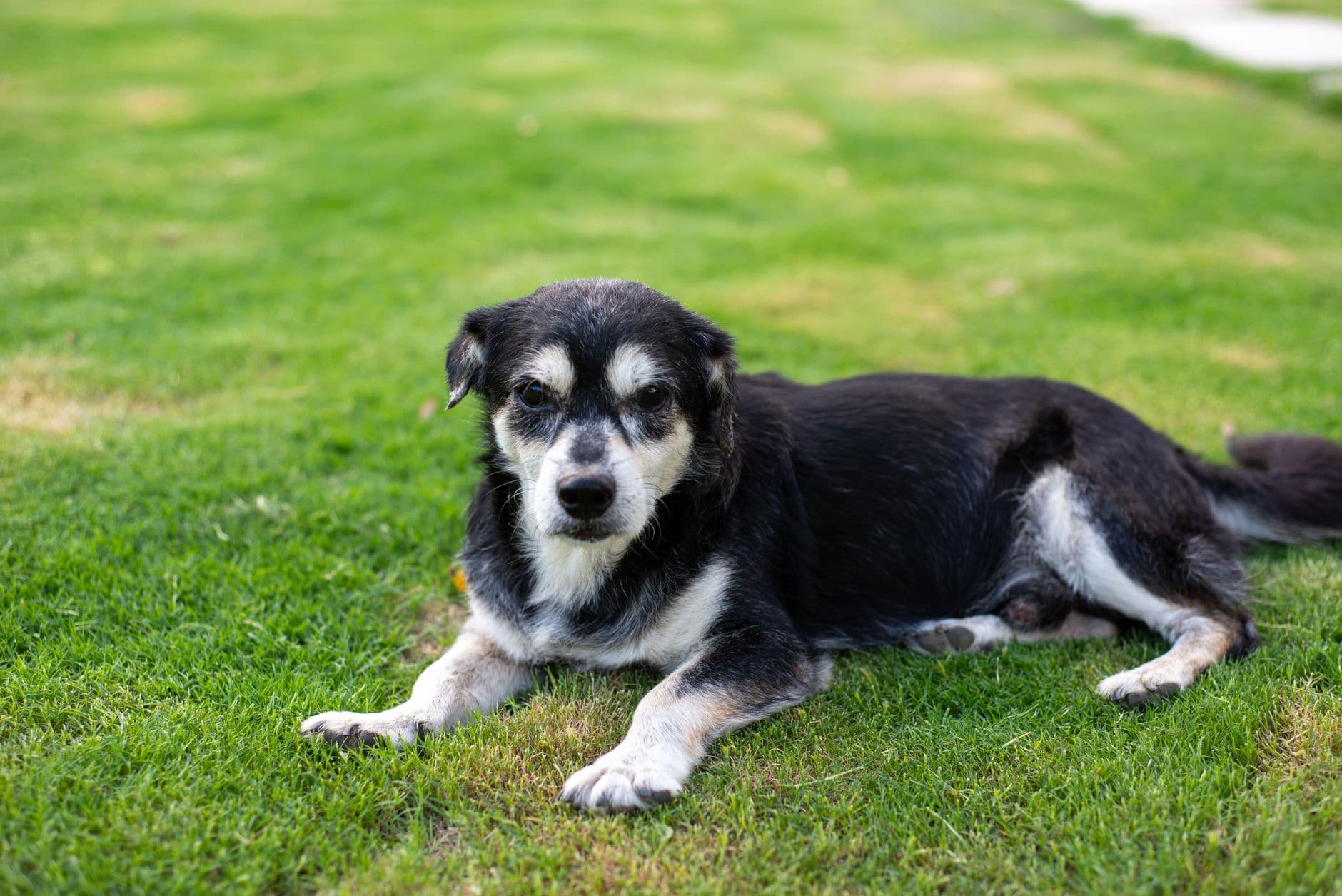
If your older dog is slowing down, here's the honest short version: arthritis can't be cured, but it can be managed really well — often for years. The plan that works isn't one magic pill. It's a handful of things done together: a vet diagnosis and vet-prescribed pain relief, keeping your dog lean, gentle controlled exercise, warm comfy bedding, a few tweaks around the house, and joint supplements as support. Get those working as a team and most dogs get a lot of their spark back.
Arthritis (osteoarthritis) is the gradual wearing-down of the smooth cartilage inside a joint. As it thins, the joint gets inflamed, stiff and sore (Merck Veterinary Manual). It's very common in older dogs and in bigger breeds, but it can turn up at any age after an injury or in dogs with hip or elbow problems.
Arthritis dog treatment: what actually works
There's no cure for arthritis, but the treatment that keeps dogs comfortable — often for years — is a combined one: a vet diagnosis and vet-prescribed pain relief, getting your dog lean, gentle daily exercise, warm orthopedic bedding and a few home tweaks, with joint supplements as backup. No single pill does it alone. And the one thing many owners reach for at home can actually kill a dog — so read on before you open the medicine cabinet.
The signs to watch for
Dogs are stoic — they hide pain far better than we do — so arthritis often gets waved off as "just getting old". It usually isn't. These are the everyday signs to look out for:
- Stiffness, especially first thing in the morning or after a sleep, that eases once they get moving.
- Slowing down or lagging on walks, or not wanting to go as far as they used to.
- Trouble with stairs, or hesitating before jumping up onto the couch or into the boot of the car.
- Licking or nibbling at a joint — often a back leg, hip or elbow.
- Grumpiness or being less keen to play, especially with kids or other dogs.
You might also notice your dog taking weight off one leg, sitting down awkwardly, or being slow to settle at night. If any of this sounds familiar, that's your cue to see a vet — not to start treating at home and hope.
This is the most important thing on the page. Paracetamol (Panadol) and ibuprofen (Nurofen) are toxic to dogs and can be fatal, even in small amounts. The same goes for aspirin and other human anti-inflammatories. Dog pain relief is a different thing entirely and must come from your vet, who will pick a dog-specific medicine and a safe dose for your dog's size and health (WSAVA global guidelines). If your dog is sore, the answer is a vet visit — never the medicine cabinet.
Start with a vet diagnosis
Before anything else, get a proper diagnosis. Slowing down can be arthritis, but it can also be a cruciate (knee) injury, a back problem, or something else that needs a different fix. Your vet will watch your dog move, feel the joints for pain and swelling, and may take X-rays to confirm what's going on (Merck Veterinary Manual). If you don't have a regular vet, the New Zealand Veterinary Association can help you find one near you.
A diagnosis also gives you a baseline. Once your vet knows which joints are affected and how bad it is, you can build a plan that actually fits your dog — and check in over time to see what's working.
Vet-prescribed pain relief
Good pain relief is the foundation, because a dog in pain won't want to move, and movement is part of the treatment. Your vet has several options here. The most common are dog-specific anti-inflammatory medicines (NSAIDs), and there are also newer monthly injections that target arthritis pain. There are other medicines too for dogs that need them.
We're deliberately not giving doses or naming a "best" drug — that's your vet's call, because the right choice depends on your dog's weight, age, kidneys, liver and any other medicines they're on (WSAVA global guidelines). What matters for you to know is this: safe, effective pain relief exists, it's prescription-only, and it's usually the thing that gives the fastest, most obvious improvement. Talk to your vet about which option suits your dog.
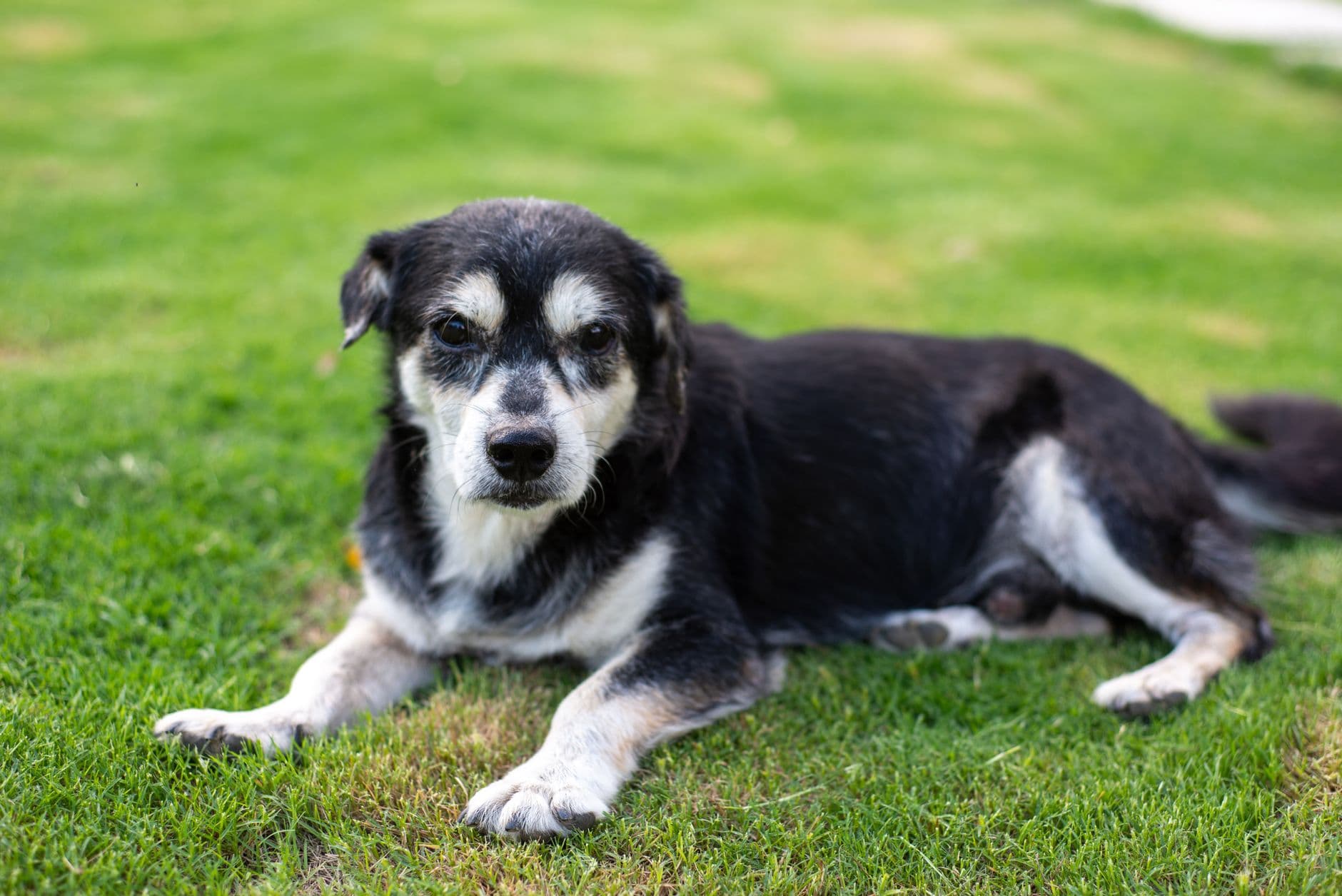
Weight control: the single biggest free win
If your dog is carrying extra weight, this is the most powerful thing you can do — and it costs nothing. Every additional kilo loads more force through already-sore joints, and fat tissue itself adds to the inflammation. Getting an overweight dog down to a lean body weight can genuinely reduce pain and slow the disease down (Companion Animal New Zealand).
The trouble is that most of us are hopeless at judging our own dog's weight — a "bit chubby" dog often weighs much more than we think. Ask your vet or vet nurse to score your dog's body condition, set a target weight, and write you a feeding plan. Many NZ clinics run free nurse weight clinics to keep you on track. Cutting treats, measuring meals properly, and using some of the daily food as training rewards usually does the job over a few months.
Run your hands along your dog's sides. You should be able to feel their ribs easily without pressing hard, and see a clear "tuck" in at the waist when you look from above. Can't feel ribs, no waist? There's weight to lose — and your arthritic dog's joints will thank you for every kilo.
Gentle, controlled exercise and physio
It's tempting to wrap a sore dog in cotton wool, but rest alone backfires — joints stiffen up and the muscles that support them waste away. The goal is little and often: shorter, more frequent lead walks rather than one big weekend mission, and a steady routine instead of nothing-then-everything.
Low-impact movement is ideal. Swimming and hydrotherapy (swimming or an underwater treadmill, guided by a professional) let your dog work the muscles without pounding the joints. A qualified canine physiotherapist can also show you simple at-home exercises and stretches. Your vet can refer you to a physio or hydrotherapy service in your area. Try to avoid sudden hard bursts — like chasing a ball flat-out after three days of rain on the couch — as that's a common way to flare things up.
Warm bedding and home tweaks
Small changes around the house make a daily difference, especially through a cold NZ winter:
- A proper orthopedic bed. A thick, supportive memory-foam bed, up off the cold floor and out of draughts, eases stiff mornings. Warmth helps sore joints, so a spot near (not on) a heat source is ideal.
- Rugs or runners on slippery floors. Tile, laminate and polished wood are a nightmare for arthritic dogs — legs slide out and joints get jarred. Lay down rugs or non-slip mats along their usual routes.
- Ramps and steps. A ramp into the car or steps up to the couch save your dog from painful jumping. You can buy these or build a simple one.
- Raised food and water bowls so your dog isn't stooping down to a sore neck and shoulders.
- Keep nails trimmed, as long nails change how your dog stands and adds strain.
None of these is expensive, and together they take a lot of the daily ouch out of an arthritic dog's life.
Joint supplements as support
Joint supplements — things like omega-3 fish oils, green-lipped mussel (a great NZ option), glucosamine and chondroitin — are a useful support alongside the steps above, not a replacement for vet care. They're best thought of as one part of the team: they won't fix arthritis on their own, but many owners and vets find they help, and the evidence is strongest for omega-3s and green-lipped mussel.
If you're weighing up what to buy, our guide to the best joint supplements for dogs in NZ compares the options and prices, and our piece on when to start dog joint supplements explains the case for starting earlier rather than waiting for trouble. As always, mention any supplement to your vet so it fits with the rest of your dog's plan.
The dogs who do best aren't the ones on one perfect product — they're the ones whose owners stack the wins: vet pain relief, a lean body, gentle daily movement, a warm bed, a few home tweaks, and a sensible supplement. Each piece is modest on its own. Together, they add up to a comfortable, happy older dog.
Never forget a flea treatment again
Get our free NZ Flea & Worming Reminder Calendar — a simple month-by-month plan for your cat or dog.
No spam. Unsubscribe anytime. We'll email you the calendar and occasional NZ pet-health tips.
The bottom line
Arthritis isn't the end of the good years — for most dogs it's the start of a management plan that keeps them comfortable and moving. See your vet for a diagnosis and pain relief, get your dog lean, keep them gently active, make home warm and non-slip, and add a supplement to support the rest. Do those things together and stay consistent, and you'll likely give your old mate a lot more happy, easy days. When you're ready to choose a supplement, our best joint supplements for dogs in NZ guide tells you what's worth buying.
FAQs
Sources
- Osteoarthritis in dogs — diagnosis and management — Merck Veterinary Manual
- Global pain management guidelines — WSAVA global guidelines
- Companion animal health and welfare advice — Companion Animal New Zealand
- Finding a vet and animal health advice — New Zealand Veterinary Association
Never forget a flea treatment again
Get our free NZ Flea & Worming Reminder Calendar — a simple month-by-month plan for your cat or dog.
No spam. Unsubscribe anytime. We'll email you the calendar and occasional NZ pet-health tips.