
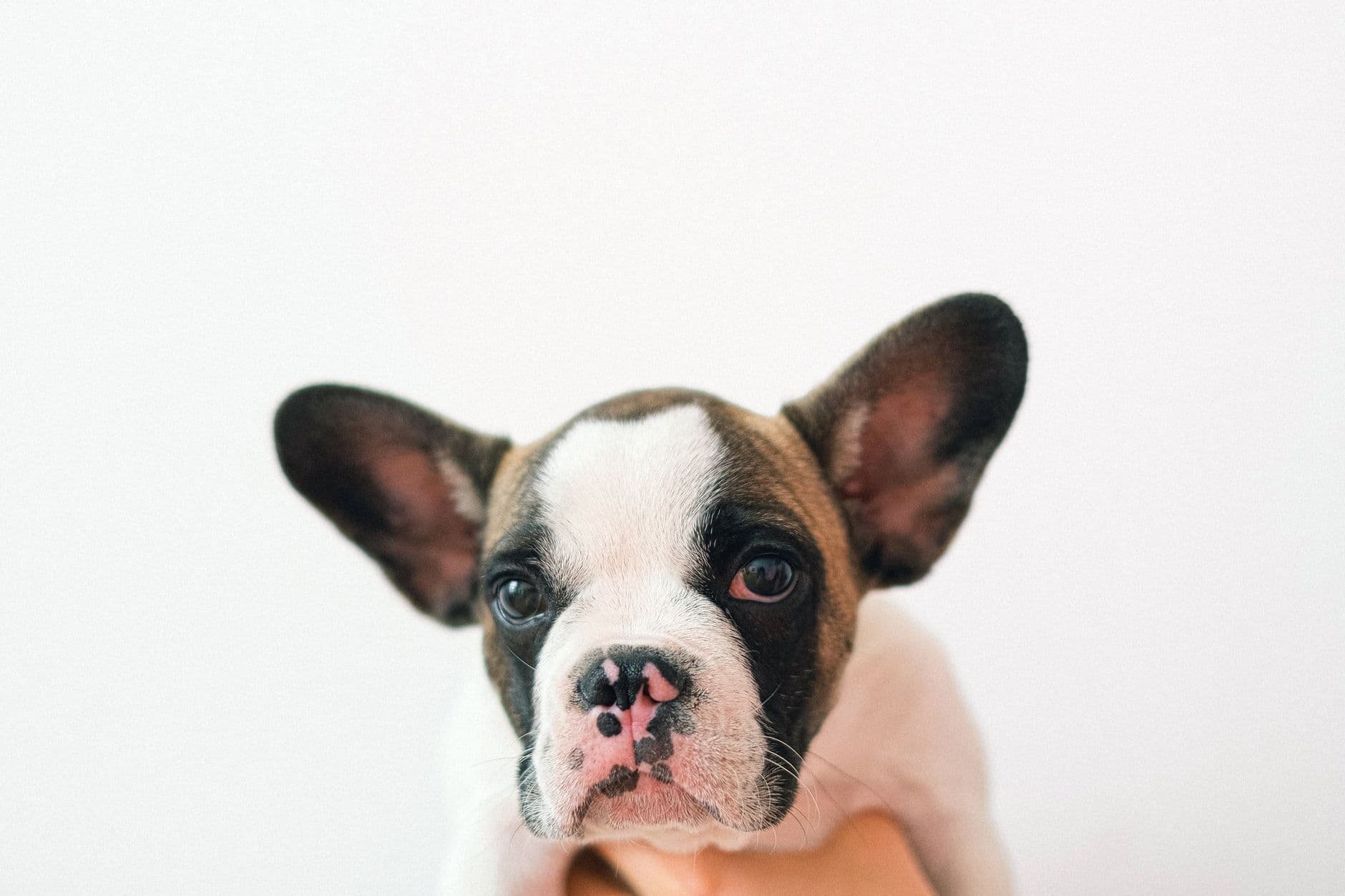
If your dog is shaking its head, scratching at an ear, or there's a yeasty smell, that's likely an ear infection — and a smelly, painful or first-time one is a vet job, not a home one. A vet needs to look inside the ear and pick the right medicated drops. Routine ear cleaners like Epi-Otic are for maintenance and prevention, not for curing an active infection.
If your dog won't stop shaking its head, keeps scratching at one ear, or you've caught a sour, yeasty whiff when it walks past, you're very likely dealing with an ear infection. Here's the honest, important bit up front: a smelly, painful or first-time ear infection is a vet job, not a home one. A vet needs to look right inside the ear, work out what's causing it, and prescribe the correct medicated drops. The ear cleaners we talk about below are brilliant for routine cleaning and prevention — but they don't cure an active infection, and no amount of cleaning will fix one on its own.
So this guide does two things. It helps you spot the signs and understand why ear infections happen (the answer is often surprising), and it shows you how to safely clean your dog's ears at home for maintenance — without making things worse.
The signs of a dog ear infection
Dogs can't tell you their ear hurts, so they show you instead. The common signs of an infection — what vets call otitis externa — are:
- Head-shaking or holding the head tilted to one side.
- Scratching or rubbing the ear, sometimes dragging it along the carpet or furniture.
- A smell — often yeasty, sour or just plain bad.
- Redness inside the ear flap and down into the canal.
- Discharge — brown, yellow, black or waxy gunk.
- Pain — flinching, pulling away, or going quiet and grumpy when you touch the head.
One or two of these and it's worth a closer look; a few of them together, or a smell, and it's time to ring the vet. According to the Merck Veterinary Manual, ear infections are one of the most common reasons dogs are seen by a vet at all — so you're far from alone here.
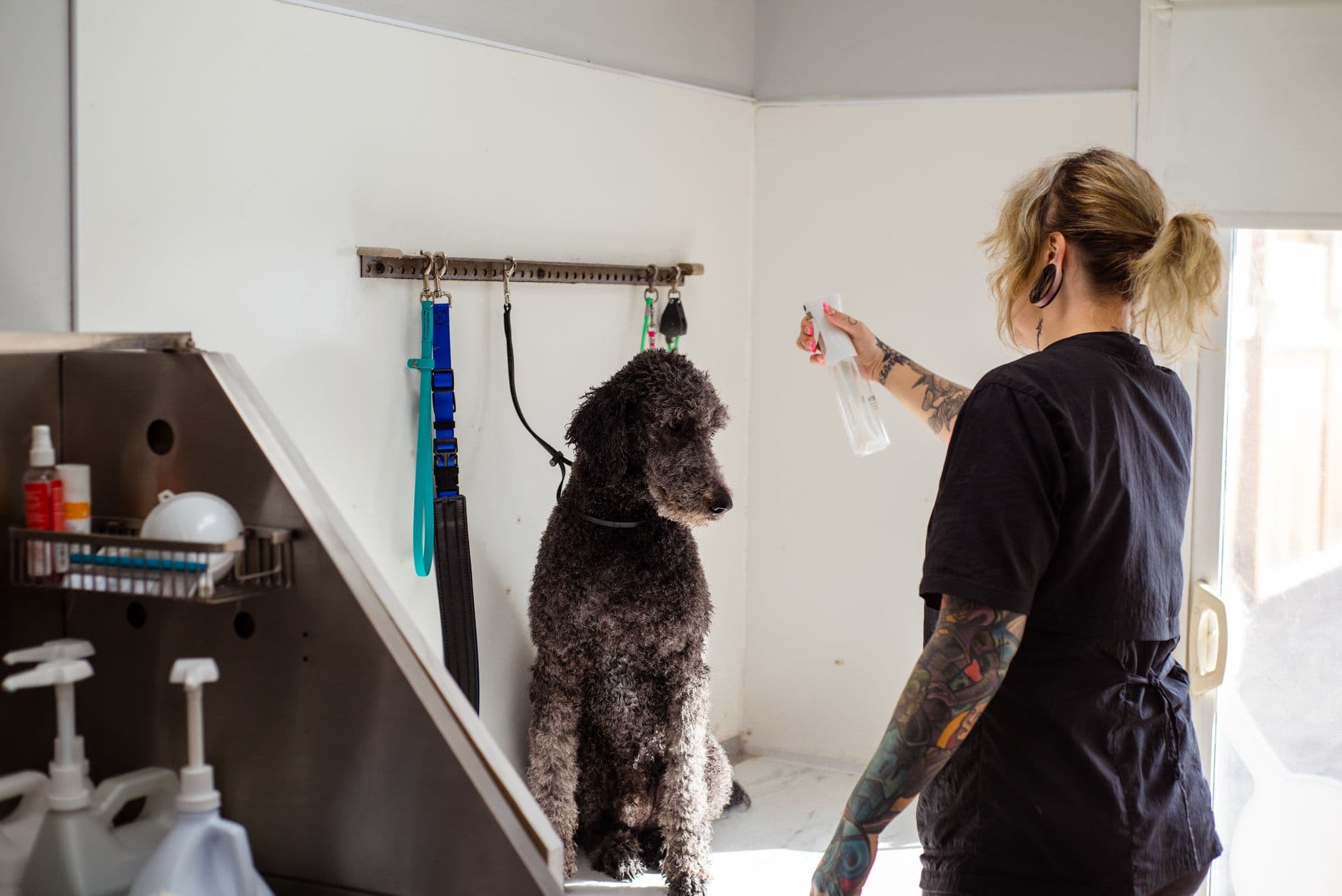
Why ear infections keep happening
Here's the part most owners don't realise. An ear infection is usually a symptom, not the whole story. Something sets the ear up to get infected in the first place, and if you don't deal with that, the infections keep coming back no matter how many courses of drops you do.
The single most common underlying cause is allergies. Allergies inflame the lining of the ear canal, and a warm, inflamed, slightly damp canal is the perfect place for yeast and bacteria to multiply. That's why so many dogs with itchy skin also get repeat ear trouble. If your dog is a frequent flyer at the vet for its ears, the real fix is often treating the allergy underneath — we cover that in our guide to dog allergies, treatment and relief.
The other big contributors are physical and seasonal:
- Floppy or hairy ears (think Spaniels, Retrievers, Poodle crosses) trap warmth and moisture, so air can't dry the canal out.
- Swimming and baths — water that sits in the canal is an open invitation for infection. Dogs that love the beach, river or pool over a Kiwi summer are prime candidates.
- Grass seeds — a classic New Zealand summer hazard (more on this below).
- Ear mites — more common in puppies, and a different cause needing a different treatment.
From late spring through summer, dried grass seeds (those little barbed darts) get caught in long grass on walks and work their way into a dog's ear canal. A dog that suddenly starts violently shaking its head or pawing one ear after a walk in long grass may well have a grass seed lodged in there. These don't come out with cleaning — they need a vet to remove them, often the same day, before they burrow and cause real damage.
This is exactly why a vet matters so much. Bacteria, yeast, mites and a grass seed all look like "an ear infection" from the outside, but each needs completely different treatment. Only someone looking inside the ear with the right tool can tell which one you're dealing with.
Why an infection needs a vet, not a guess
We'll say it plainly because it's the most important thing on this page: medicated ear drops that actually treat an infection are prescription-only in New Zealand, and they should be. Here's why.
To pick the right drops, a vet first looks deep into the ear canal with an otoscope to check one crucial thing — whether the eardrum is intact. If the eardrum is ruptured (which can happen with a bad infection), certain ear medications can pass into the middle ear and cause damage, including hearing or balance problems. The New Zealand Veterinary Association and global care standards from WSAVA both stress getting a proper diagnosis before treating, precisely for reasons like this.
A vet will also often take a quick swab to see whether it's bacteria, yeast or both, and choose drops that match. That's something you simply cannot judge by eye at home.
Book the vet if your dog's ear is painful, smelly, very red, or this is the first time it's happened. Go straight away if there's a sudden violent head-shake after a walk in long grass (possible grass seed). And if your dog won't let you touch the ear at all, that almost always means it's genuinely sore — don't force it, just get it checked.
Don't ever use human ear drops, and don't reach for leftover drops from a past infection or your other pet. Human products aren't made for dogs, and old drops may be the wrong treatment for this infection — or actively harmful if the eardrum is damaged. The right drops for this infection come fresh from your vet.
What ear cleaners are actually for
So where do the products in our table fit? Routine cleaning, maintenance and prevention — not curing infections. A good ear cleaner gently lifts out wax, debris and excess moisture, which helps keep a healthy ear healthy and stops gunk building up. Used the way your vet suggests, regular cleaning can genuinely reduce how often a prone dog gets infections.
Our top pick is Epi-Otic, the cleaner you'll find in most vet clinics — it's the everyday standard for a reason, and it's gentle enough for regular use. If your dog has sensitive ears or you want a softer daily option, PAW Gentle Ear Cleaner is a kinder, low-irritant choice. Both are maintenance products. Brands like Virbac make routine ear hygiene products designed exactly for this between-and-after-treatment role.
Two honest notes. First, a healthy dog with clean, upright ears may need very little cleaning at all — don't create a routine your dog doesn't need. Second, if there's an active infection, clean only when and how your vet tells you to, usually to help the prescribed drops work, never as a substitute for them.
How to safely clean your dog's ears at home
Once your vet has given the all-clear (or for a healthy dog as part of normal care), here's the safe way to do it:
- Settle your dog somewhere calm, ideally after a walk when it's a bit tired. Have the cleaner and some cotton wool or a soft cloth ready.
- Lift the ear flap and gently squeeze the cleaner into the ear canal — fill it as directed on the bottle. Don't jam the nozzle deep in; rest it at the opening.
- Massage the base of the ear for 20–30 seconds. You'll hear a squelchy sound — that's good, it means the cleaner is breaking up the wax and debris down in the canal.
- Let your dog shake its head. This brings the loosened gunk up and out. Step back, because it gets messy.
- Wipe away the visible debris from the flap and the opening with cotton wool or a soft cloth. Only clean what you can easily see and reach.
A dog's ear canal is L-shaped and deep, so a cotton bud (Q-tip) does two bad things: it pushes wax and debris further down toward the eardrum, and it can damage the canal or the eardrum itself. Only ever wipe the parts of the ear you can plainly see. Everything deeper is the cleaner's job, not a stick's.
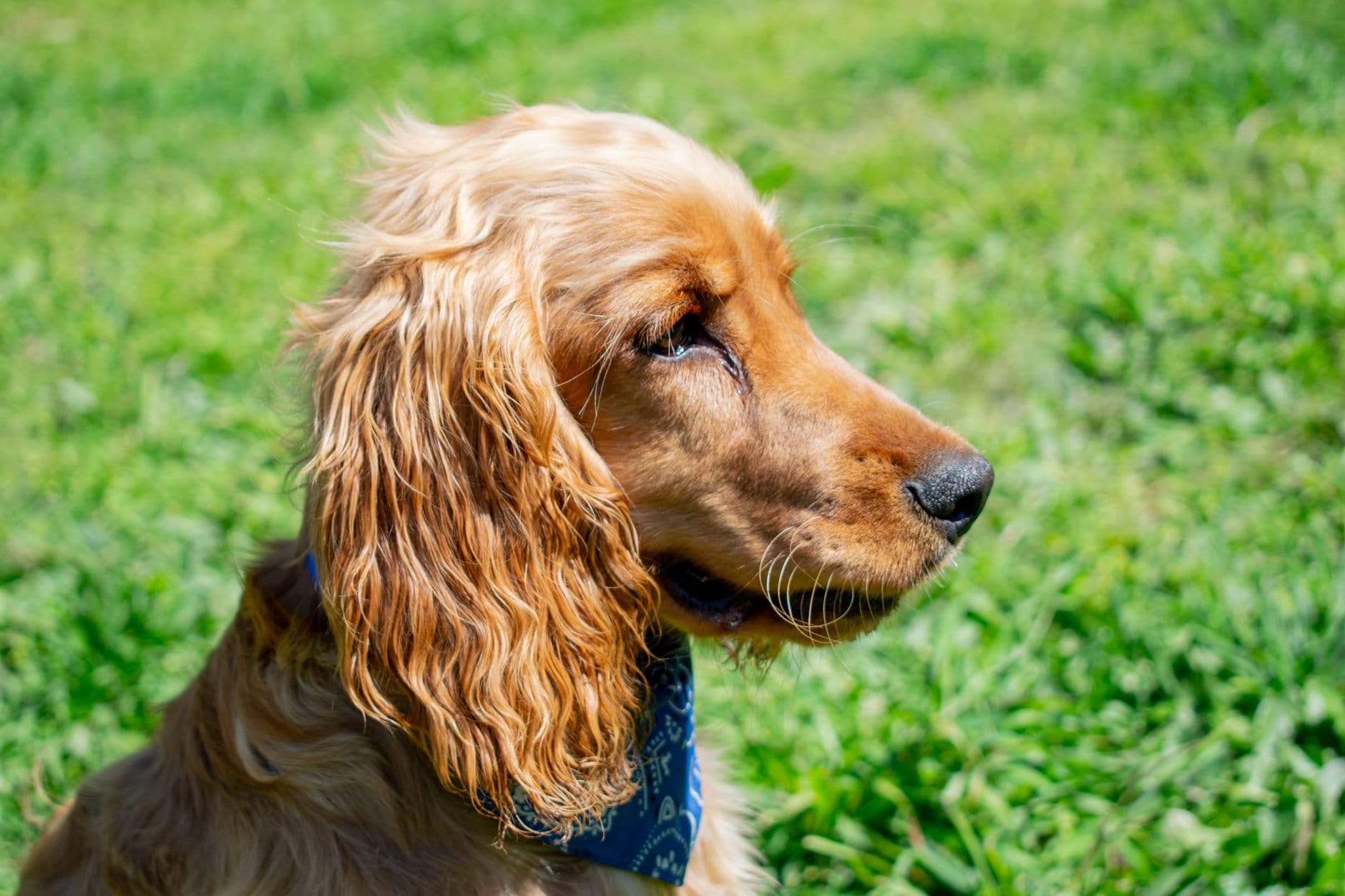
A few practical tips for Kiwi dogs: after a swim or a bath, dry the ears and consider a clean to clear trapped water, especially for floppy-eared breeds. And keep the hair around the ear opening tidy on woolly-coated dogs so air can circulate. Companion Animal New Zealand has good general guidance on routine home care like this.
Never forget a flea treatment again
Get our free NZ Flea & Worming Reminder Calendar — a simple month-by-month plan for your cat or dog.
No spam. Unsubscribe anytime. We'll email you the calendar and occasional NZ pet-health tips.
The bottom line
If your dog is shaking its head, scratching, or there's a smell or discharge, treat it as an infection and see your vet — especially the first time, or if the ear is sore. Let the vet look inside, find the real cause, and prescribe the right drops; don't guess, and never use human or leftover drops. Then, once things are sorted, a routine ear cleaner like Epi-Otic is your tool for keeping things healthy and heading off the next flare-up.
And because repeat ear infections are so often driven by something deeper, it's worth getting on top of allergies and overall skin health too — our guides to dog allergies and the best medicated dog shampoos are the natural next read. Sort the cause, and you'll spend a lot less time fussing over ears.
The options compared
- Best for
- The vet-clinic standard for routine cleaning
- Protects
- Routine cleaning, maintenance and prevention between or after vet treatment
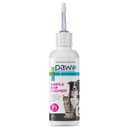
- Best for
- Gentle, low-irritant daily cleaning
- Protects
- Routine cleaning for sensitive ears and regular maintenance
| Product | Best for | Protects against | Price (NZ$) | Rating | |
|---|---|---|---|---|---|
★ Top pickEpi-Otic Ear Cleaner | The vet-clinic standard for routine cleaning | Routine cleaning, maintenance and prevention between or after vet treatment | — | 4.8 | Check price at Vetpost |
PAW Gentle Ear Cleaner | Gentle, low-irritant daily cleaning | Routine cleaning for sensitive ears and regular maintenance | — | 4.6 | Check price at Animates |
Our budget & premium picks
FAQs
Sources
- Find a vet / animal health advice — New Zealand Veterinary Association
- Otitis externa (ear infections) in dogs — Merck Veterinary Manual
- Companion animal health and care advice — Companion Animal New Zealand
- Ear care products and routine ear hygiene — Virbac
- Global guidelines for companion animal care — WSAVA
Never forget a flea treatment again
Get our free NZ Flea & Worming Reminder Calendar — a simple month-by-month plan for your cat or dog.
No spam. Unsubscribe anytime. We'll email you the calendar and occasional NZ pet-health tips.