

Itchy, scratchy dog? Allergies in dogs usually come down to three culprits — fleas, the environment (pollen, dust mites, grasses) or food — and they're almost always managed, not cured. Here's how Kiwi vets diagnose them, the modern treatment ladder, and the supportive products that genuinely help calm itchy skin.
If your dog won't stop scratching, licking its paws raw, or rubbing its face along the carpet, there's a good chance you're dealing with allergies — and the first thing to know is that you can almost always get this under control. The honest catch is that most allergies in dogs are managed, not cured: a bit like hay fever in people, the goal is a comfortable, settled dog rather than a one-off fix. The fastest path there is to work out which of the three main triggers is at play — fleas, the environment, or food — and to get your vet involved early, because guessing your way through bottle after bottle of shampoo usually costs more in the long run than one good consult.
Here's how to read what's going on with your dog's skin, how Kiwi vets sort it out, and the treatment ladder that actually works — including the prescription options and the everyday products that genuinely help.
The three things that make dogs itchy
Nearly all allergic itching in dogs comes back to one (or more) of three causes. Getting the cause right is half the battle, because the treatment is different for each.
Flea-allergy dermatitis is the most common allergy in dogs full stop. A flea-allergic dog isn't reacting to a swarm — it's reacting to the saliva from just one or two bites, which is why you might never even see a flea. The itch tends to cluster around the base of the tail, the back legs and the belly. Because this one is so common, vets treat watertight flea control as step one for every itchy dog, even if you're sure fleas aren't the problem. If you haven't nailed your flea routine yet, start with our guide to the best flea treatments for dogs in NZ — it's the cheapest, highest-impact thing you can do.
Environmental allergy (atopy) is the dog version of hay fever. Pollens, grasses, dust mites and mould spores set off an allergic dog's immune system, often through the skin and paws rather than the nose. In New Zealand this can be seasonal — worse in spring and summer when the grasses and pollens are pumping — or year-round if dust mites are the trigger. Atopic dogs classically lick their paws, chew their wrists and rub their faces.
Food allergy is real but less common than many owners assume, and it's usually a reaction to a protein the dog has eaten for ages (beef, chicken and dairy are common culprits) rather than grain. Food-allergic dogs are often itchy year-round, and many also have tummy upsets alongside the skin signs.
Our mild, humid climate means flea and pollen seasons run long, and in the warmer top half of the North Island they barely stop. A dog that's itchy every spring, or one that never fully settles over a mild Kiwi winter, fits the allergy picture well. Don't write the itch off as a passing thing — patterns across the seasons are a clue worth telling your vet.
How vets diagnose allergies in dogs
There's no single blood test that says "it's grass pollen." Allergies in dogs are diagnosed by working through the possibilities in order, which is why a vet's structured approach beats trial-and-error at home.
First, your vet rules out the things that mimic allergies — fleas, mites (mange), and infections — because a dog with mites or a skin infection looks every bit as itchy. That usually means a good physical exam and sometimes a skin scrape or tape sample looked at under the microscope, following standard dermatology workups.
Next comes airtight flea control for everyone in the house, kept up for a couple of months. If the itch melts away, you've found your answer cheaply.
If fleas are ruled out, the next step is usually a food elimination trial: 8–12 weeks on a strict vet-recommended diet (often a hydrolysed or novel-protein food) with nothing else passing your dog's lips — no treats, no table scraps, no flavoured chews. It's a faff, but it's the only reliable way to confirm or rule out a food allergy. What's left after fleas and food are excluded is environmental allergy, which your vet can confirm and, if needed, investigate further with allergy testing.
We get the temptation to keep buying shampoos and supplements off the shelf and hope. But an undiagnosed allergic dog can rack up months of half-working products, plus repeat infections that need treating. One proper consult that pins down the cause — and a plan built around it — almost always works out cheaper than a year of guessing. Spend the money once, early.
The treatment ladder: from skin support to prescriptions
Vets manage allergies in steps, building from the gentle, everyday foundations up to prescription medicines when they're needed. Most dogs do best with a combination — the basics make the medicines work better and can mean a lower dose.
Step 1 — Rigorous flea control
It bears repeating because it's that important: every itchy dog needs year-round, every-pet flea control before anything else, because a flea-allergic dog stays miserable no matter what else you throw at it. This is the foundation the whole ladder sits on.
Step 2 — Diet trial (if food is suspected)
If your vet suspects food, the elimination diet above does double duty as both test and treatment. Get this right and a food-allergic dog can become a comfortable dog on the correct diet alone.
Step 3 — Skin-barrier support: washes and omegas
This is the layer most owners can take charge of, and it makes a real difference. An allergic dog's skin barrier is leaky and inflamed, so two things help across the board.
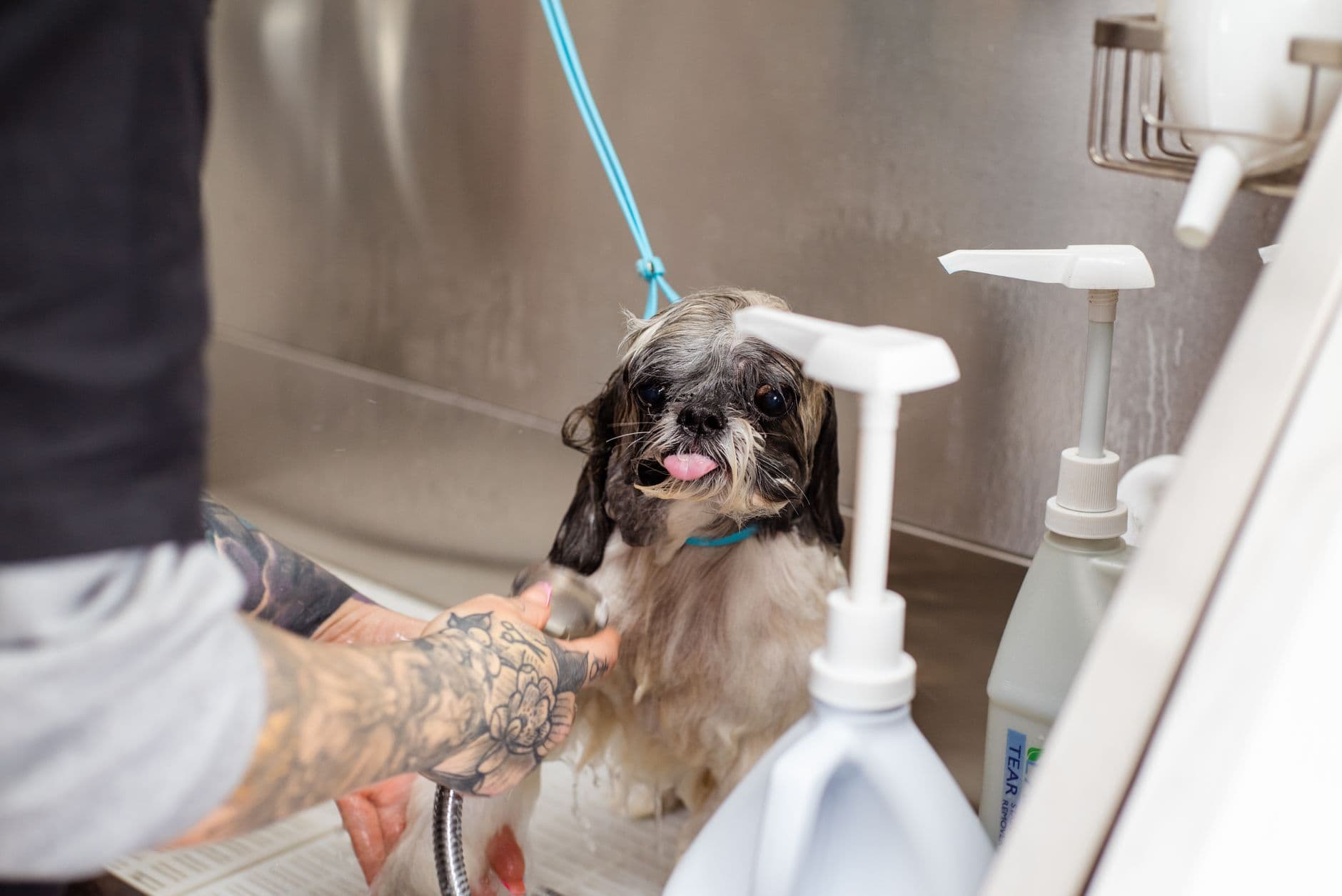
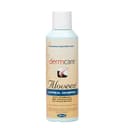
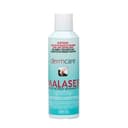
Soothing and medicated washes. A gentle oatmeal-based shampoo like Aloveen calms irritated skin and physically rinses pollens and allergens off the coat. When scratching has let yeast or bacteria take hold — that greasy, smelly, sometimes crusty skin — a medicated wash such as Malaseb tackles the secondary infection. (Bathing right matters as much as the product; our guide to the best medicated dog shampoos in NZ covers how often and how long to lather.)
Omega supplements. Omega 3 & 6 oils support the skin barrier from the inside and have a mild calming effect on inflammation, which is why dermatologists routinely include them. PAW Dermega is our pick here — a straightforward skin-and-coat oil you add to food daily — and Antinol Rapid is a well-regarded marine-omega option that supports itchy skin and stiff joints in one. These won't cure an allergy, and we'd never pretend they will, but they help build a tougher skin barrier and can reduce how much medication a dog needs over time.
Shampoos and omega supplements genuinely help manage itchy skin — but they are support, not a cure and not a replacement for veterinary care. If your dog is constantly itchy, losing hair, or the skin is broken and weepy, these products alone won't fix it. They work best as part of a plan your vet has signed off on.
Step 4 — Prescription medicines (vet-only)
When the foundations aren't enough, vets reach for prescription treatments that directly switch off the itch and the underlying allergic response. These are prescription-only in New Zealand, and your vet decides if, when and how much — so we'll describe them, but we won't give doses.
- Apoquel (oclacitinib) is a daily tablet that blocks the itch-and-inflammation signals quickly, often within hours. Many dogs do very well on it.
- Cytopoint is an injection given at the vet, usually every 4–8 weeks, that targets one of the key itch proteins. It's a popular choice for dogs whose owners would rather not give a daily pill.
- Steroids (like prednisone) are powerful and fast at knocking back severe flare-ups, but vets use them carefully and usually short-term because of side effects with long use.
The point isn't to memorise these — it's to know they exist, that they're genuinely effective, and that the right one for your dog is a conversation with your vet, who can match the medicine to your dog safely. Please don't source or dose these yourself.
Don't forget the ears
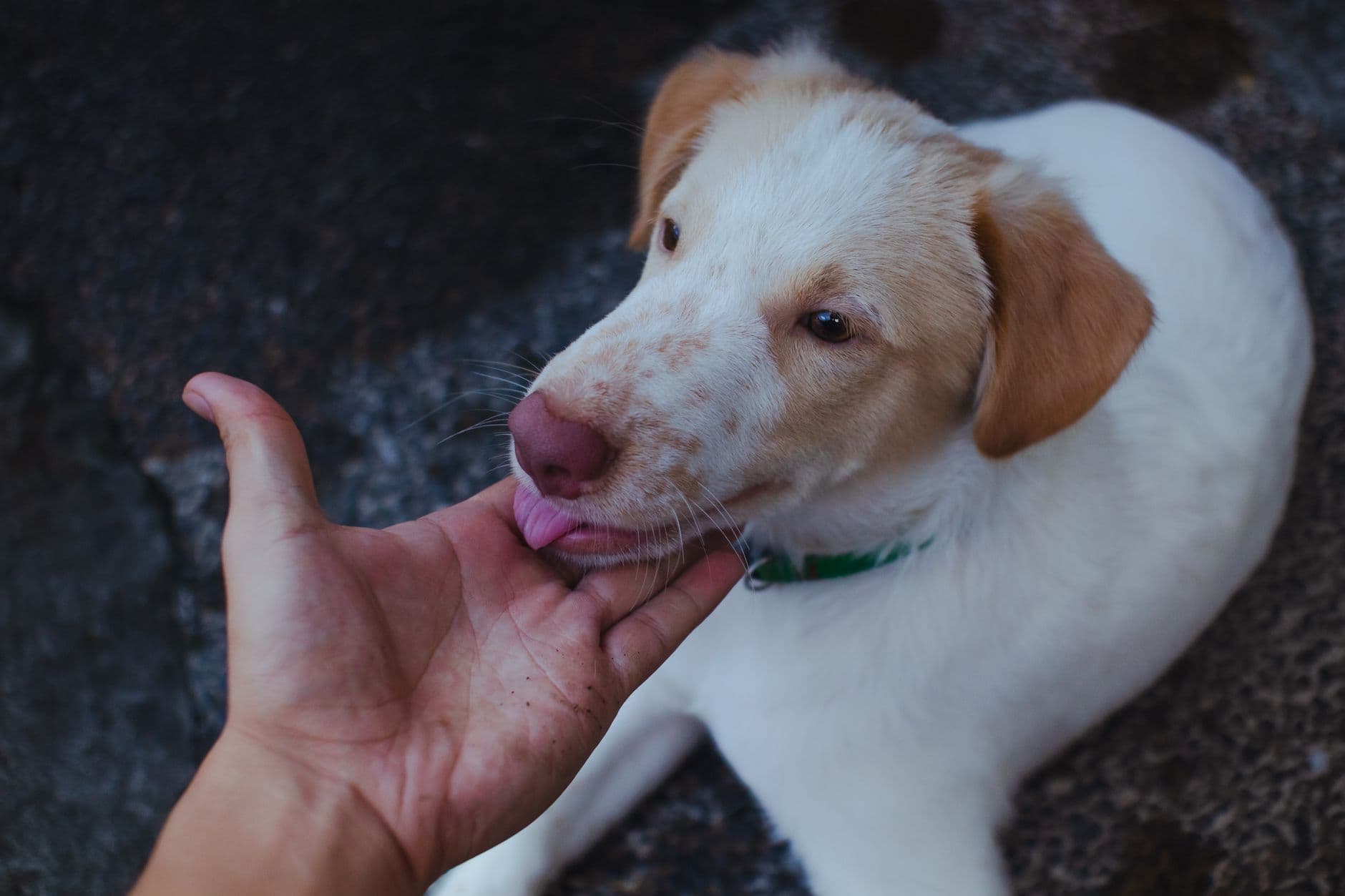
Here's a connection a lot of owners miss: the ear canal is just lined with skin, so an allergic dog very often gets recurring ear infections right alongside the itchy paws and belly. If your dog's ears keep going red, smelly and waxy — and especially if they keep coming back after you clear them — allergies are a likely root cause, not just bad luck. Treating the ear flare-up without addressing the underlying allergy is a recipe for it returning. Our guide to cleaning and treating dog ear infections walks through doing it safely.
Book a vet — don't just keep topping up products — if your dog has persistent itching that won't settle, hair loss or bald patches, raw, weepy or infected-looking skin, or ear and skin infections that keep coming back. These are signs the allergy needs proper diagnosis and likely prescription treatment. Continuing to buy shampoo after shampoo while the skin gets worse is the expensive, unhappy path. A vet visit is the kind one.
A simple plan for the average Kiwi dog
If your dog is itchy and you're not sure where to start, here's the order that works for most households. Lock down flea control for every pet, year-round — that alone settles a surprising number of dogs. Add an omega supplement like PAW Dermega and bathe with a soothing shampoo such as Aloveen to support the skin barrier and rinse off allergens. If the skin smells or looks infected, a medicated wash like Malaseb helps the secondary infection. And if your dog is still uncomfortable after a fair go at the basics — or the skin is raw or the ears keep flaring — book the vet, because that's where the diagnosis and the prescription options that finally bring relief live.
Allergies are a marathon, not a sprint, but with the right plan the overwhelming majority of dogs end up comfortable, settled and back to being themselves.
Never forget a flea treatment again
Get our free NZ Flea & Worming Reminder Calendar — a simple month-by-month plan for your cat or dog.
No spam. Unsubscribe anytime. We'll email you the calendar and occasional NZ pet-health tips.
Want to dig deeper into the products that support itchy skin? Start with the best medicated dog shampoos in NZ, and if the ears are part of the picture, our dog ear infection guide is the companion read.
The options compared
- Best for
- Daily skin & coat support — building a healthier skin barrier
- Protects
- Omega 3 & 6 oil to support itchy, flaky skin and coat condition
- Best for
- Natural anti-inflammatory omega support
- Protects
- Marine omega oils that help calm inflammation behind itchy skin and sore joints
- Best for
- Gentle, soothing washes for itchy skin
- Protects
- Oatmeal-based shampoo to soothe and calm irritated, itchy skin
- Best for
- Secondary skin infections (yeast & bacteria)
- Protects
- Medicated wash for the secondary skin infections that often follow scratching
| Product | Best for | Protects against | Price (NZ$) | Rating | |
|---|---|---|---|---|---|
★ Top pickPAW Dermega | Daily skin & coat support — building a healthier skin barrier | Omega 3 & 6 oil to support itchy, flaky skin and coat condition | — | 4.7 | Check price at Animates |
Antinol Rapid | Natural anti-inflammatory omega support | Marine omega oils that help calm inflammation behind itchy skin and sore joints | — | 4.6 | Check price at Pet Direct |
Aloveen Shampoo | Gentle, soothing washes for itchy skin | Oatmeal-based shampoo to soothe and calm irritated, itchy skin | — | 4.6 | Check price at Vetpost |
Malaseb Shampoo | Secondary skin infections (yeast & bacteria) | Medicated wash for the secondary skin infections that often follow scratching | — | 4.5 | Check price at Vetpost |
Our budget & premium picks
FAQs
Sources
- Find a vet / companion animal health advice — New Zealand Veterinary Association
- Allergies and atopic dermatitis in dogs — Merck Veterinary Manual
- Global dermatology and companion animal guidelines — WSAVA global guidelines
- Pet health and responsible ownership advice — Companion Animal New Zealand
- Skin and parasite product information — Virbac
Never forget a flea treatment again
Get our free NZ Flea & Worming Reminder Calendar — a simple month-by-month plan for your cat or dog.
No spam. Unsubscribe anytime. We'll email you the calendar and occasional NZ pet-health tips.