
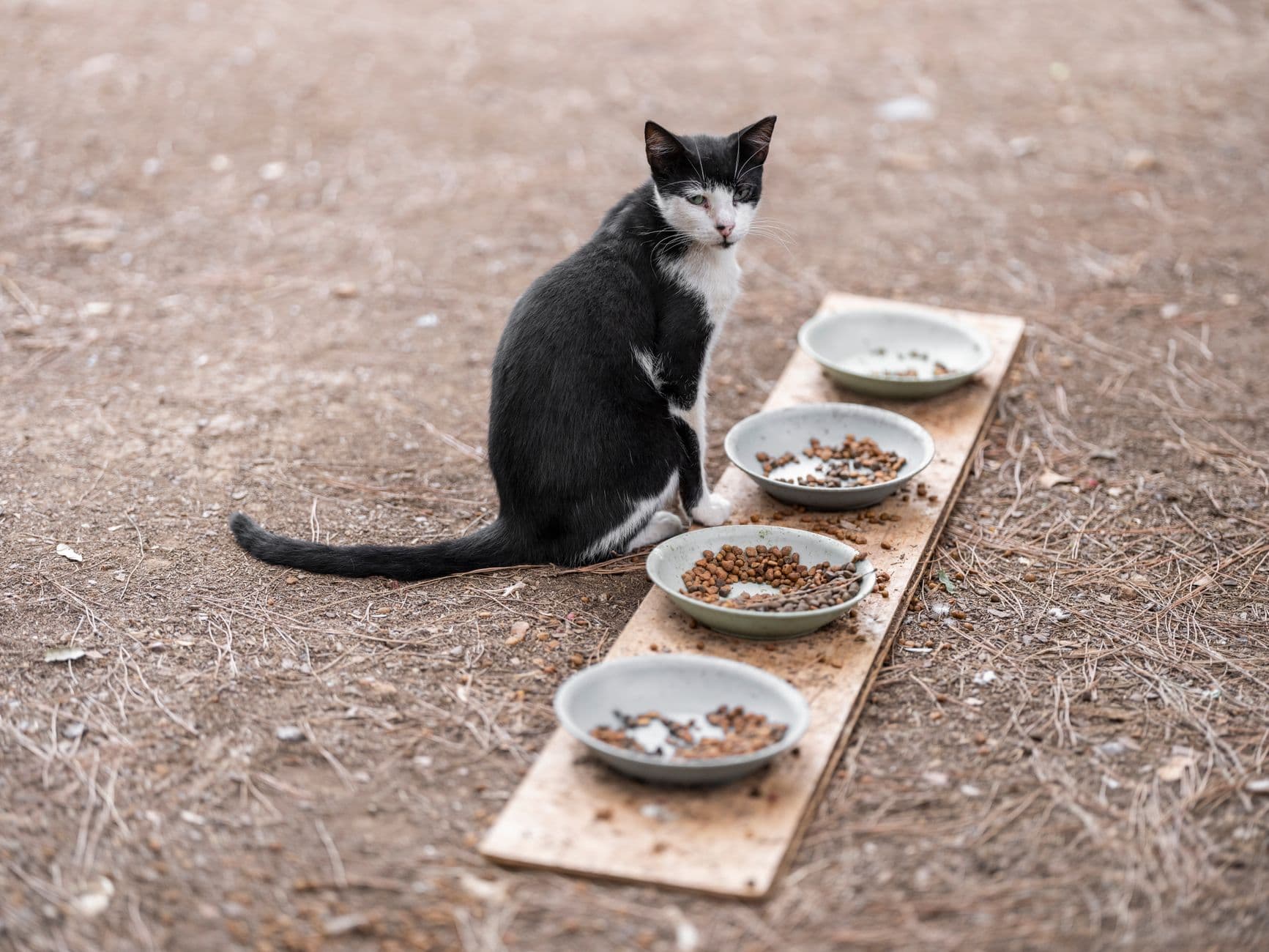
Here's the honest answer up front: most healthy cats don't need a daily probiotic. A well cat on a good-quality complete diet usually keeps its own gut bacteria nicely in balance, with no help from a supplement (Merck Veterinary Manual). So if your cat is bright, eating well and doing normal poos, you can keep your money in your pocket.
But "most cats, most of the time" isn't "every cat, always". There are a handful of situations where a probiotic genuinely earns its place — and knowing which is which saves you both the cost of a supplement your cat doesn't need and the worry of skipping one that would actually help. Let's walk through it.
What probiotics actually do
Your cat's gut is home to billions of bacteria — the "gut microbiome". When the good bacteria are in charge, digestion runs smoothly. When something knocks that balance out, you get the classic signs: loose poos, wind, a grumbly tummy, or a cat that's a bit off its food.
Probiotics are simply live "good" bacteria you give your cat to help tip the balance back the right way. Prebiotics — fibres that feed those good bacteria — often come in the same product. The idea is to crowd out the troublemakers and help the gut settle (Cornell Feline Health Center). They're a gentle support, not a medicine, and that distinction matters a lot when we get to the vet section below.
When a probiotic genuinely helps
These are the situations where reaching for a cat probiotic makes real sense:
- After a course of antibiotics. Antibiotics are great at killing the bug that made your cat sick — but they knock out plenty of good gut bacteria along the way, which is why a runny tummy often follows. A probiotic helps repopulate the gut while things recover.
- During diarrhoea or a minor tummy upset. For a mild, short-lived bout of the runs, a probiotic can help firm things up faster. (Keep reading for the warning signs that mean vet, not supplement.)
- Through stressful changes. Cats are creatures of habit, and stress shows up in the gut. A new home, a stay in a boarding cattery, building work, a new baby or a new pet can all trigger stress-related loose stools.
- When you're changing their diet. Switching foods too fast is a classic cause of an upset tummy. Always change over a week or so, and a probiotic can smooth the transition.
- For some chronically sensitive-tummy cats. A minority of cats have ongoing delicate guts and do better with regular support. That's a long-term plan worth making with your vet, not solo.
If your cat is heading to a cattery for the school holidays, or you're moving house, it's worth starting a probiotic a few days before the disruption rather than waiting for the runny poos to arrive. A little prevention beats cleaning the carpet.
What to use (and what to skip)
The golden rule: use a probiotic made for cats. Feline-specific products contain bacterial strains chosen for a cat's gut, at sensible amounts, often paired with a prebiotic to help them work. Look for a named strain on the label (such as Enterococcus faecium) rather than a vague "contains probiotics" claim.
For an acute upset — the after-antibiotics or sudden-diarrhoea situation — a vet-grade paste is the handy option, because it's easy to syringe straight into your cat and many also contain kaolin to help bind a loose tummy. Protexin Pro-Kolin is a well-known one Kiwi vets reach for.
Check price at VetpostFor everyday gut support — the sensitive-tummy cat, or simply keeping digestion ticking over — a daily powder you sprinkle on food is easier to keep up. PAW DigestiCare is a popular cat-and-dog option in NZ.
Check price at Animates
Now for what to skip. Human probiotics and dog probiotics aren't ideal for cats: they're formulated for different guts and different strains, so they may not survive the trip or settle a cat's tummy the way a feline product will. And the old kitchen-cupboard trick — a bit of yoghurt — is a poor source. Many adult cats are lactose-intolerant, so the dairy can actually cause the loose tummy you were trying to fix (Cornell Feline Health Center). Give it a miss.
You don't need a prescription for most cat probiotics — they're available from NZ pet retailers and online vet pharmacies like Vetpost, Pet Direct and Animates. Pastes tend to cost a little more than powders but are worth it for a quick, easy dose during an upset. If your vet has already recommended a specific product, stick with their pick.
The same logic, by the way, applies to dogs — if you've got one in the house too, our guide to the best probiotics for dogs in NZ covers the canine side.
When to see the vet instead
This is the part that matters most, because a probiotic is a gentle helper — not a treatment for a genuinely sick cat. It's easy to keep giving a supplement and "wait and see" when your cat actually needs a vet.
Ring your vet — don't just reach for a supplement — if your cat has diarrhoea that's bloody, severe, or lasting more than a day or two, is vomiting, is losing weight, has gone off its food, or is flat and lethargic. Any of these can point to something a probiotic won't fix, and the sooner it's seen, the better. Kittens, senior cats and unwell cats dehydrate fast, so don't wait it out with them.
Persistent or recurring tummy trouble also deserves a proper check-up — ongoing diarrhoea can be a sign of food intolerance, parasites or other conditions that need treating at the source, not just settling (Merck Veterinary Manual). If you're not sure whether your cat's symptoms count as "minor", that uncertainty is itself a good reason to call. You can find a clinic near you through the New Zealand Veterinary Association, and there's sensible owner advice at Companion Animal New Zealand.
Never forget a flea treatment again
Get our free NZ Flea & Worming Reminder Calendar — a simple month-by-month plan for your cat or dog.
No spam. Unsubscribe anytime. We'll email you the calendar and occasional NZ pet-health tips.
The bottom line
A daily probiotic isn't a must-have for a healthy cat — a good diet does most of the work. But for the specific moments when the gut gets knocked off balance — after antibiotics, during a minor upset, through stress, around a diet change, or for a chronically sensitive tummy — a cat-specific probiotic is a genuinely useful, low-risk helper. Keep a vet-grade paste in the cupboard for sudden upsets, consider a daily powder for the sensitive cat, skip the human probiotics and the yoghurt, and remember the golden rule: if your cat is properly unwell rather than just a bit loose, the probiotic stays in the drawer and you ring the vet.
FAQs
Sources
- Probiotics and gastrointestinal health in cats — Merck Veterinary Manual
- Feline digestive health — Cornell Feline Health Center
- Companion animal health advice — Companion Animal New Zealand
- Find a vet and pet health resources — New Zealand Veterinary Association
Never forget a flea treatment again
Get our free NZ Flea & Worming Reminder Calendar — a simple month-by-month plan for your cat or dog.
No spam. Unsubscribe anytime. We'll email you the calendar and occasional NZ pet-health tips.