
If your dog has the runs, here's the short answer first: a single bout of mild diarrhoea in an adult dog that's otherwise bright, eating and drinking will often settle within a day or two with plenty of fresh water, a short bland diet, and a gut-supporting paste. What you must not do is wait it out if there's blood, repeated vomiting, a flat or collapsed dog, a puppy or senior, or any sign of dehydration — those mean the vet, now.
Diarrhoea is one of the most common reasons Kiwi dogs end up at the vet, and most of the time it's nothing sinister. But because a few causes are genuinely dangerous, it pays to know what's normal, what you can safely do at home, and where the line is. Let's walk through it.
Dog diarrhoea treatment: the quick answer
For a mild bout in an otherwise-well adult dog, treatment is simple: keep fresh water up, feed a short bland diet of plain boiled chicken and white rice in small, frequent meals, and add a gut-supporting paste like Protexin Pro-Kolin. Most cases settle in a day or two — the same home plan whether you spell it diarrhoea or diarrhea. The bit you can't skip is the next section: a handful of red flags mean your dog needs a vet today, not chicken and rice.
What causes diarrhoea in dogs
Most cases come down to a handful of everyday culprits (Merck Veterinary Manual):
- Dietary indiscretion (a.k.a. scavenging). The classic. Your dog raided the compost, wolfed down something on the beach walk, scored a fatty scrap off the BBQ, or found a dead bird. Rich, rotten or unfamiliar food is the number one cause of a sudden upset tummy.
- A sudden food change. Switching foods overnight — new kibble, a different protein, a bag of treats — can throw the gut off. Always change food gradually over a week or so.
- Stress. A move, boarding kennels, a new baby, fireworks, or a long car trip can all loosen things up. It's real, and it's common.
- Parasites. Worms (and protozoa like giardia) are a frequent cause, especially in puppies or dogs that aren't on a regular worming schedule.
- Infections and illness. Viral and bacterial bugs, and a range of other health problems, can also cause diarrhoea — which is part of why a dog that's unwell as well as having diarrhoea needs a vet rather than home care.
If you do end up ringing the clinic, they'll ask: how long it's been going, how often, what it looks like (watery, mucousy, any blood?), whether there's vomiting too, and whether your dog has got into anything unusual. Jotting this down — or snapping a photo of the stool, grim as that sounds — saves time and helps them help your dog.
A sensible at-home plan for a mild case
This is only for an otherwise-well adult dog with a mild, recent upset — bright, alert, not vomiting, no blood, drinking normally. If that's not your dog, skip to the red flags below.
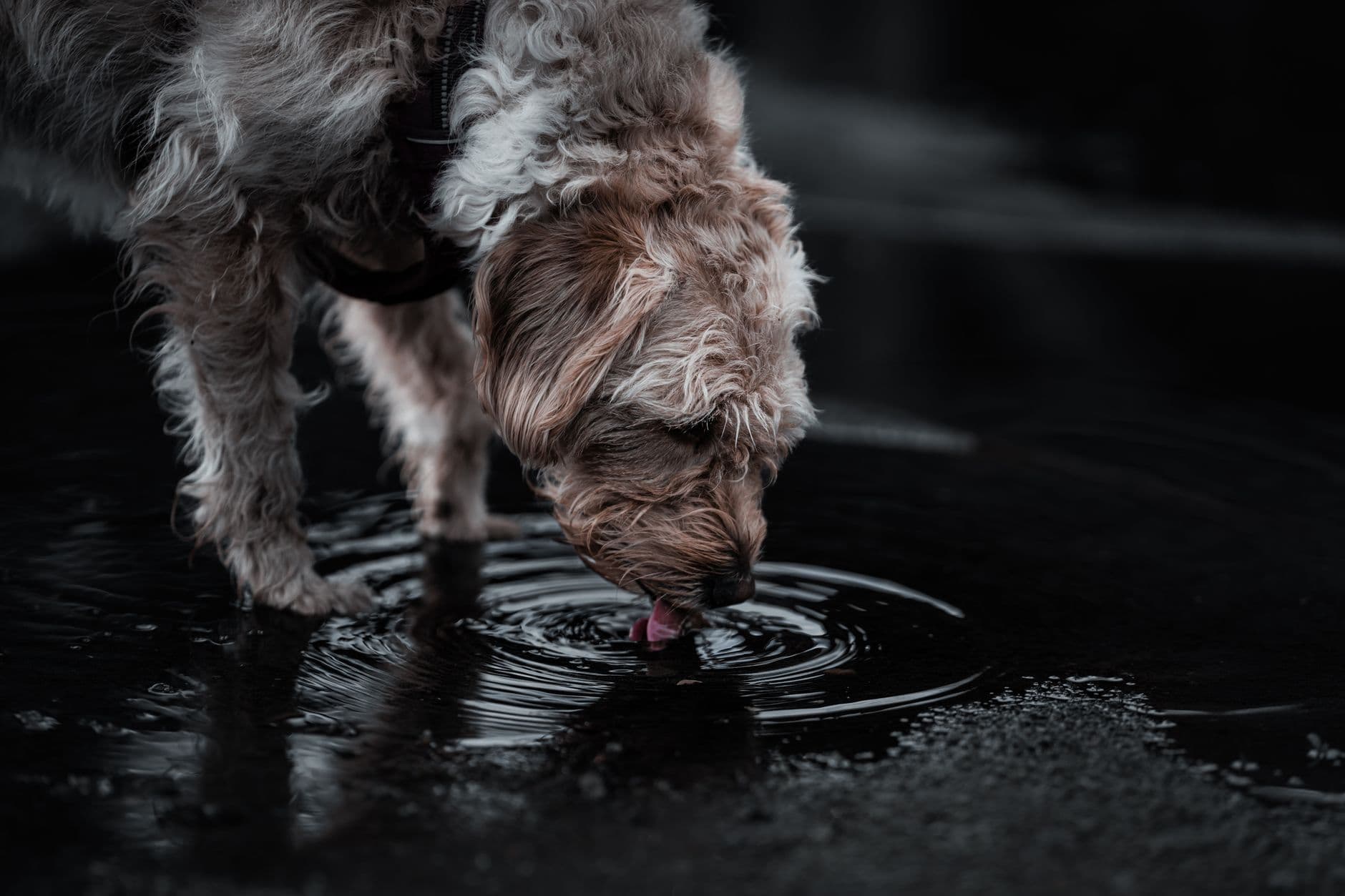
1. Keep the water up. The biggest risk with diarrhoea is dehydration, because your dog is losing fluid fast. Make sure fresh, clean water is always within reach and that your dog is actually drinking (Companion Animal New Zealand).
2. Offer a short, bland diet. The old advice to starve a dog has largely been dropped — vets now lean towards small, frequent, easy meals. A classic bland diet is plain boiled chicken (no skin, no salt, no seasoning) with white rice, served in little portions a few times a day. Once the stool firms up over a day or two, gradually mix their normal food back in.
3. Support the gut. A dog-specific paste that combines a probiotic with kaolin — such as Protexin Pro-Kolin — is a popular, gentle way to help firm things up and settle the gut while it recovers. Check price at Vetpost A general probiotic can help too; our guide to the best probiotics for dogs in NZ walks through the options.
This is the big one. Human medicines like loperamide (Imodium) and bismuth products are not safe to reach for on your own — some are toxic to dogs, and some breeds react badly to them. Never give any human medication, painkiller, or "a little bit of what's in the cupboard" without your vet telling you to. If you think a paste or probiotic isn't enough, that's your cue to ring the vet, not the medicine cabinet.
If your dog is bright and the runs are easing within a day or two, you're on the right track. If things aren't improving — or any of the signs below show up — stop the home care and get a vet involved.
Red flags: see the vet now
This is the part that matters most. Mild diarrhoea is one thing; the situations below are not "wait and see" — they need a vet promptly, and some need an emergency or after-hours clinic (Merck Veterinary Manual; New Zealand Veterinary Association).
Call the vet straight away if your dog has:
- Blood in the stool — fresh red, or dark and tarry — or large amounts of mucus.
- Repeated vomiting alongside the diarrhoea, or can't keep water down.
- Lethargy, weakness or collapse — a flat, dull, "not themselves" dog.
- A suspected toxin or swallowed object — rat bait, chocolate, a sock, a bone, something off the beach. Don't wait for symptoms; ring straight away.
- Signs of dehydration — sticky or dry gums, sunken-looking eyes, or skin that's slow to spring back when gently lifted.
- Diarrhoea lasting more than about 24–48 hours, or that keeps coming back.
If your dog is a puppy, a senior, or already has a health condition, the home-care window basically disappears. These dogs dehydrate dangerously fast and can go downhill quickly, so any diarrhoea is worth a same-day call to your vet rather than a wait-and-see. When in doubt, ring — most NZ clinics are happy to take a quick phone triage call, and after-hours services exist for exactly these moments.
How to lower the odds of a repeat
Once your dog is back to normal, a few simple habits cut down the next bout:
- Change foods slowly. Mix new food in over 5–7 days rather than switching overnight.
- Stay on top of worming. Regular worming on a schedule that suits your dog keeps parasites — a sneaky, recurring cause — in check. Ask your vet what fits your dog's age and lifestyle.
- Manage the scavenging. Secure the compost and rubbish, watch what they hoover up on walks, and go easy on rich table scraps and fatty leftovers.
- Support gut health. For dogs with a sensitive stomach or a history of upsets, a regular probiotic can help keep things steady — see our best probiotics for dogs in NZ guide for picks at a range of prices.
Never forget a flea treatment again
Get our free NZ Flea & Worming Reminder Calendar — a simple month-by-month plan for your cat or dog.
No spam. Unsubscribe anytime. We'll email you the calendar and occasional NZ pet-health tips.
The bottom line
For a bright, well adult dog, a mild bout of diarrhoea is usually just a dodgy snack or a wobble in routine, and a day or two of fresh water, a bland chicken-and-rice diet, and a gut-supporting paste like Protexin Pro-Kolin will often see it right. Check price at Vetpost What separates a relaxed home fix from a real emergency is the red flags: blood, repeated vomiting, a flat dog, a suspected toxin, signs of dehydration, anything dragging past a day or two — and any diarrhoea at all in a puppy, senior or unwell dog. In those cases, skip the home remedies and ring your vet. And whatever you do, never reach for human anti-diarrhoea medicines without their say-so. When you're ready to build a steadier gut for the long run, our best probiotics for dogs in NZ guide is the next step.
FAQs
Sources
- Companion Animal New Zealand — Companion Animal New Zealand
- New Zealand Veterinary Association — New Zealand Veterinary Association
- Merck Veterinary Manual — Merck Veterinary Manual
Never forget a flea treatment again
Get our free NZ Flea & Worming Reminder Calendar — a simple month-by-month plan for your cat or dog.
No spam. Unsubscribe anytime. We'll email you the calendar and occasional NZ pet-health tips.