

For most New Zealand dogs, a broad-spectrum all-wormer like Drontal Allwormer is the trusted default — one tablet covers roundworm, hookworm, whipworm and tapeworm, including the hydatids tapeworm that matters for rural and farm dogs. A cheaper all-wormer like Endogard or Canex does the same job for less, and Milbemax is the pick if your dog hates big tablets. Worm an adult dog roughly every three months, more often if there's real risk — and always dose by weight off the label.
If you just want to know which worming tablet to buy for your dog, here's the short answer: for most New Zealand dogs, a broad-spectrum all-wormer like Drontal Allwormer is the trusted, do-everything default — one tablet sorts roundworm, hookworm, whipworm and tapeworm in a single go. If you'd rather not pay brand-name money, a cheaper all-wormer like Endogard or Canex genuinely does the same job for less. And if your dog turns a worming session into a wrestling match, Milbemax is a small, easy-to-swallow tablet. Worm a healthy adult dog roughly every three months, more often if there's real risk — and always dose by your dog's weight off the label.
Below is how worming actually works, how often your particular dog needs it, what these tablets cover, and the one NZ-specific worm you don't want to ignore.
What worms do dog worming tablets actually treat?
When people say "worms" they usually mean the four common intestinal worms a dog can pick up in New Zealand: roundworm, hookworm, whipworm and tapeworm. A good "all-wormer" or "broad-spectrum" tablet is designed to clear all four in one dose, which is why we steer most owners towards one rather than a product that only handles part of the list.
The worms behave a bit differently. Roundworm is the one puppies are most likely to carry — they can be born with it or pick it up from their mum's milk. Hookworm and whipworm live in the gut and are picked up from contaminated soil and faeces. Tapeworm is the one with the NZ twist, which we'll come to in a moment, and the main reason we lean towards tablets that include tapeworm cover rather than skipping it.
A regular worming routine matters because most worm burdens are invisible. By the time you can actually see worms — segments around the back end, or in the dog's bedding — the infection is usually well established. Routine worming keeps the numbers down before they become a problem, which is exactly the kind of "am I doing this right?" reassurance most owners are after. For the broad picture of intestinal worms and how they spread, Merck Veterinary Manual is a solid plain-English reference.
A worming tablet clears the worms your dog has right now — it doesn't stop them picking up new ones tomorrow. That's why a one-off dose isn't enough and worming is something you keep up on a schedule. Think of it like mowing the lawn, not like painting the house.
How often should you worm an adult dog?
For a healthy adult dog, the usual guidance you'll hear in New Zealand is to worm roughly every three months — so four times a year. That's a sensible baseline for the average suburban dog, and it's the rhythm most owners settle into.
But "every three months" is a starting point, not a law. The honest answer is that how often you should worm depends on your dog's risk, and you should follow the product label and your vet's advice, and worm more often if there's real risk. Organisations like ESCCAP set their worming recommendations by lifestyle rather than a single blanket number, because a couch-loving city dog and a farm dog that scavenges are not the same problem.
Worm more often than every three months if your dog:
- Hunts, scavenges or eats raw meat or offal — the highest-risk group for tapeworm.
- Lives on, works on, or regularly visits a farm, especially around sheep.
- Shares the house with young children, who are more likely to pick up worms passed from pets.
- Has frequent contact with other dogs, such as daycare, kennels or busy dog parks.
Puppies are a separate conversation entirely — they need worming far more often than adults in their first few months. We've covered that schedule in detail in our guide to worming tablets for puppies.

The NZ tapeworm problem you can't skip
This is the part that makes worming in New Zealand different from a generic overseas guide. Two tapeworms matter here, and both are tied to dogs eating raw sheep material.
The first is the hydatids tapeworm (Echinococcus granulosus). A dog that eats raw offal from an infected sheep can carry it, and — this is the serious bit — it can pass to people and cause hydatid disease. New Zealand ran a long national programme to stamp it out, and keeping farm and rural dogs wormed for tapeworm is part of why it's been pushed right down. The Ministry for Primary Industries, through its ACVM and animal-health work, is the official reference point for hydatids control here.
The second is sheep measles (Taenia ovis). It doesn't make people sick, but it puts cysts in sheep meat that get carcasses trimmed or condemned at the works — a real cost to farmers — and the cycle runs straight through dogs that eat raw or undercooked sheep meat and offal.
If your dog gets onto a farm, hunts, or has any access to raw sheep meat or offal, the single most important rules are simple: never feed raw sheep offal, and worm regularly with an all-wormer that covers tapeworm. This is exactly why we favour broad all-wormers like Drontal, Endogard, Canex and Milbemax over products that leave tapeworm out. Companion Animal New Zealand has more on parasite risks for NZ pets.
Even if your dog never sees a paddock, tapeworm can also come from swallowing an infected flea during grooming — which is one more reason flea and worm control go hand in hand.
The best worming tablets for dogs in NZ, compared
Our pick for most owners is Drontal Allwormer. It's the trusted default for a reason: one tablet covers all four common worms including tapeworm, it's widely stocked across NZ, and vets reach for it constantly — so if you just want the safe, no-overthinking choice, this is it.
That said, here's the honest bit Megan-from-Tauranga deserves to hear: a cheaper broad all-wormer like Endogard or Canex is genuinely fine for most dogs. They cover the same four worms; you're mostly paying for the brand name and the familiarity with Drontal. If your budget is tight, an all-wormer from a value range is not a corner you're cutting on your dog's health — it's a sensible call.
Milbemax earns its place for a specific job: it's a small tablet, which makes a real difference for dogs that clamp their jaws shut at the sight of a big chunky pill, or for fussy small breeds. Same broad worm cover, easier to get down.
The table below lines them up — tap through to check today's NZ price at Pet Direct, Petstock, Vetpost or Animates. We don't print prices here because they move around, and the retailer always has the live one.
For a healthy adult dog with a normal lifestyle, an all-wormer like Endogard or Canex does everything Drontal does for less. The cheap one is fine here. You're really only paying extra for Drontal's brand trust and how easy it is to find, or for Milbemax's small-tablet convenience — not for better worm cover. Spend the difference on something your dog will actually notice.

Worming tablet vs the worming built into a flea chew
Here's where a lot of owners get tangled up. Many of the popular all-in-one flea chews — like NexGard Spectra and Simparica Trio — already include worming, so they handle fleas and the common intestinal worms in one monthly chew. If your dog is on one of those, a separate worming tablet would usually just double up.
The catch is tapeworm. Some of those flea-and-worm chews cover roundworm, hookworm and whipworm but don't include tapeworm — which, as we've just covered, is the worm that matters most for NZ farm and rural dogs. So the practical rule is: check exactly what your flea product covers, and if there's a tapeworm gap, top up with a tapeworm-covering wormer at the right intervals.
If you're trying to decide between juggling separate products or simplifying down to one, our dog flea-and-worm combo guide walks through which all-in-one products cover what — and our main dog flea treatment guide covers the flea side in full.
Whatever you choose, the dogs that stay worm-free are the ones whose owners actually keep to a schedule. Pick a regular day — the first of the season, a birthday, payday, whatever sticks — set a phone reminder, and worm every dog in the house on the same day so none of them re-seeds the others.
Are worming tablets safe? And the dosing question
Broad-spectrum worming tablets have a long, well-established safety record in healthy dogs when given correctly. The single most important thing to get right is the dose, and worming tablets are dosed by your dog's weight.
We deliberately don't print doses or dosing charts here — getting it wrong, in either direction, is exactly the kind of mistake worth avoiding with a health product. Weigh your dog and follow the dosing instructions on the product label exactly. If your dog sits between tablet sizes, or is very young, pregnant, unwell, very small or on other medication, that's a quick question for your vet rather than a guess. The New Zealand Veterinary Association can help you find a local vet if you're not already with one.
Never forget a flea treatment again
Get our free NZ Flea & Worming Reminder Calendar — a simple month-by-month plan for your cat or dog.
No spam. Unsubscribe anytime. We'll email you the calendar and occasional NZ pet-health tips.
Our verdict
For the average New Zealand household with one healthy adult dog, buy Drontal Allwormer, worm roughly every three months, and you've got the trusted, covers-everything option sorted. Watching the budget? Endogard or Canex does the identical job for less and we're happy to recommend it. Got a dog that hates tablets? Milbemax is the small, easy-to-swallow pick. And if your dog gets near farms, sheep or raw offal, worm more often, always include tapeworm cover, and never feed raw sheep offal — that's the rule that protects your dog, your family and the wider flock.
The options compared
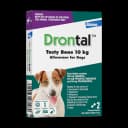
- Best for
- Most NZ dogs — the trusted broad all-wormer incl. tapeworm
- Protects
- Roundworm, hookworm, whipworm, tapeworm (incl. hydatids)
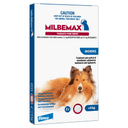
- Best for
- Dogs that need a small, easy-to-swallow tablet
- Protects
- Roundworm, hookworm, whipworm, tapeworm
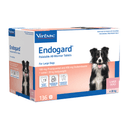
- Best for
- Budget — broad all-wormer that does the same job for less
- Protects
- Roundworm, hookworm, whipworm, tapeworm
- Best for
- Well-known NZ all-wormer range, easy to find
- Protects
- Roundworm, hookworm, whipworm, tapeworm
| Product | Best for | Protects against | Price (NZ$) | Rating | |
|---|---|---|---|---|---|
★ Top pickDrontal Allwormer | Most NZ dogs — the trusted broad all-wormer incl. tapeworm | Roundworm, hookworm, whipworm, tapeworm (incl. hydatids) | — | 4.8 | Check price at Pet Direct |
Milbemax | Dogs that need a small, easy-to-swallow tablet | Roundworm, hookworm, whipworm, tapeworm | — | 4.7 | Check price at Petstock |
Endogard | Budget — broad all-wormer that does the same job for less | Roundworm, hookworm, whipworm, tapeworm | — | 4.6 | Check price at Vetpost |
Canex | Well-known NZ all-wormer range, easy to find | Roundworm, hookworm, whipworm, tapeworm | — | 4.5 | Check price at Animates |
Our budget & premium picks
FAQs
Sources
- Companion animal parasite and worming advice — Companion Animal New Zealand
- Worm control guidelines for cats and dogs — ESCCAP (European Scientific Counsel Companion Animal Parasites)
- Intestinal worms and tapeworms in dogs — Merck Veterinary Manual
- Find a vet / animal health advice — New Zealand Veterinary Association
- Animal health products and hydatids control (ACVM) — Ministry for Primary Industries (ACVM)
Never forget a flea treatment again
Get our free NZ Flea & Worming Reminder Calendar — a simple month-by-month plan for your cat or dog.
No spam. Unsubscribe anytime. We'll email you the calendar and occasional NZ pet-health tips.