
If your dog panics at fireworks, shakes through thunderstorms or falls apart when you leave the house, calming products can genuinely help — but only the right way. A pheromone diffuser like Adaptil, a milk-protein supplement like Zylkene, or a snug Thundershirt take the edge off mild-to-moderate anxiety, and they work best alongside training and a safe den. Severe panic is a vet job, not a product one.
If your dog turns into a shaking, pacing, hiding mess every Guy Fawkes — or can't cope when you walk out the door — you're not failing as an owner, and you're not stuck. The honest short answer: for mild-to-moderate anxiety, calming products genuinely help. Our pick for most Kiwi dogs is an Adaptil pheromone diffuser plugged in at home, backed up by a Zylkene supplement before a known stressful event, and a snug Thundershirt for the worst of the fireworks. But none of these is a sedative or a quick fix. They nudge an anxious dog towards calm, and they work far better when you combine them with a safe den, exercise, routine and a bit of training. Truly severe anxiety — the panic that wrecks doors and self-harms — is a job for your vet, not a product off the shelf.
Here's how to read what's stressing your dog, what to buy in NZ, and how to use it so it actually works.
What sets Kiwi dogs off
Anxiety in dogs almost always has a trigger, and a few of them are very common in New Zealand homes.
- Fireworks. Guy Fawkes (early November) and New Year are the big ones, and they're the busiest nights of the year for worried owners and after-hours vets. Loud, unpredictable bangs are terrifying for a noise-sensitive dog.
- Thunderstorms. Often worse than fireworks, because the dog senses the change in air pressure and can't escape it. Many dogs that fear thunder also fear fireworks.
- Separation anxiety. Distress when left alone — pacing, howling, chewing, toileting. With more of us back in the office after years of working from home, this one has become very common.
- Vet and car trips. A nervy car ride, a slippery exam table, strange smells and other animals add up fast.
Working out which trigger you're dealing with matters, because it changes what you reach for. We go deep on reading the body language — the lip-licking, yawning, tucked tail and "whale eye" — in our guide to the signs of dog anxiety and how to help. Spotting it early gives every product below a much better chance of working.
In New Zealand the fireworks problem is predictable: early November and New Year's Eve, every year. That's actually good news, because it means you can prepare. Start your calming routine days ahead rather than scrambling on the night, and you'll head off a lot of the panic before it builds.
The calming toolkit, explained
There's no single "anxiety for dogs" cure, but there is a toolkit. Here's what each piece does and where it fits.
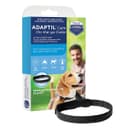
Pheromones (Adaptil). This is the one we'd start most owners on. Adaptil is a synthetic copy of the dog-appeasing pheromone a mother dog naturally gives off to reassure her pups — a chemical "you're safe" signal that dogs respond to their whole lives. It comes as a plug-in diffuser for the room your dog spends most time in, and as a collar for calm away from home. Dogs can't smell it consciously and it doesn't sedate them; it just lowers the background fear.
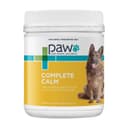
Nutraceuticals you give by mouth. Zylkene is a supplement made from a calming milk protein (the same one that relaxes a nursing puppy), and it's a strong choice for known stressful events — start a course a few days before fireworks, a vet visit, travel or boarding. PAW Complete Calm uses tryptophan, the building block of the feel-good brain chemical serotonin, and suits steadier, day-to-day anxiety support. These aren't drugs, so they're gentle and you won't see a dramatic knockout — think "takes the edge off."
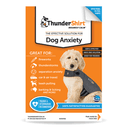
Pressure wraps (Thundershirt). A snug, adjustable vest that applies gentle, constant pressure around the body — a bit like swaddling a baby or a reassuring hug. Many noise-phobic dogs visibly settle in one, and it's completely drug-free, so it pairs nicely with everything else.
You don't need every product at once. For most dogs, begin with the Adaptil diffuser (covers everyday home anxiety) and add a Zylkene course only around specific stressful events. That two-product combo handles the majority of mild-to-moderate cases. Add a Thundershirt if fireworks are your dog's particular nightmare, and an Adaptil collar only if the anxiety follows your dog off the property — in the car or at the vet.
The other half: management and training
Here's the bit the products can't do for you, and it's just as important. Calming aids work best as part of a wider plan — behaviour experts are clear that the environment and training do most of the heavy lifting.
- Build a safe den. Give your dog a quiet, covered spot — a crate with a blanket over it, or a cosy corner away from windows — where it can hide and feel secure. Never force your dog out of its safe place when it's scared.
- Muffle the scary stuff. On fireworks nights, close the curtains, turn on the TV or some music to mask the bangs, and bring your dog inside well before dark.
- Desensitise gradually. Outside of the scary event, you can slowly get a dog used to a trigger — for noise, play firework or thunder sounds very quietly while your dog does something nice, building up over weeks. Pair the trigger with good things, never with telling off.
- Exercise and routine. A well-exercised dog on a predictable daily routine is a calmer dog. A long walk earlier in the day on Guy Fawkes can take the edge off the evening.
It's also fine — encouraged, even — to comfort a frightened dog. The old myth that reassurance "rewards" fear isn't true; you can't make anxiety worse by being kind.
How to actually use these for a known event
Fireworks are the perfect example, because you know the date. Here's the plan we'd run:
- A week before: plug the Adaptil diffuser into the room your dog settles in, so the pheromone builds up. Make sure your dog's microchip and ID details are current — frightened dogs bolt and go missing on these nights.
- A few days before: start a Zylkene course as the label directs, so it's working by the night itself.
- On the day: walk your dog earlier, feed before the noise starts, and set up the safe den with curtains closed and background sound on.
- An hour or two before dark: pop on the Thundershirt, bring your dog inside, and stay relaxed and normal yourself — dogs read our body language closely.
Start early wherever you can. Plugging a diffuser in five minutes before the first rocket goes up won't do much; a week of build-up will.
Calming aids are for mild-to-moderate anxiety. See your vet if your dog hurts itself trying to escape, destroys doors, windows or crates, toilets indoors out of fear, or panics every single time it's left alone — that's true separation anxiety or a serious phobia, and products alone won't fix it. Your vet can prescribe a calming medication that's correctly dosed for your dog and may refer you to a qualified behaviourist. Never give your dog human sedatives or anti-anxiety pills — doses safe for people can be dangerous or fatal for dogs. Don't try to white-knuckle through severe anxiety with supplements; get help. (Find a vet near you.)
Never forget a flea treatment again
Get our free NZ Flea & Worming Reminder Calendar — a simple month-by-month plan for your cat or dog.
No spam. Unsubscribe anytime. We'll email you the calendar and occasional NZ pet-health tips.
Setting realistic expectations
It helps to be honest about what "working" looks like. A calming product that takes your dog from frantic to merely unsettled is working — that's a win, not a failure. These aids lower anxiety; they don't switch it off. If you were expecting your dog to sleep peacefully through a fireworks display, that's a sedative-level effect, and that's not what (or how) these are meant to do.
Give things a fair go, too. Pheromones and supplements often need consistent use over days to weeks to show their full effect, so judge them over a proper trial rather than one bad night. And welfare organisations make a good point: the kindest long-term fix for noise fear is usually slow desensitisation done well outside of the scary season, with products supporting it — not replacing it.
If you've combined the right product with a safe den, sensible management and a bit of training and your dog is still coming undone, that's your cue to talk to your vet rather than keep buying more supplements. Some dogs simply need prescription help and a proper behaviour plan, and there's no shame in that.
Our verdict
For the average anxious Kiwi dog, start with an Adaptil diffuser at home and add a Zylkene course before known stressful events like Guy Fawkes — that combination, plus a safe den and a good walk, settles most mild-to-moderate anxiety. If fireworks are your dog's particular terror, add a Thundershirt; if the nerves travel with your dog to the car or the vet, an Adaptil collar comes along for the ride. PAW Complete Calm is a solid daily option for ongoing, low-level worry.
Above all, be realistic and be kind. These products take the edge off — they don't perform miracles — and they shine when paired with management and training. If your dog's anxiety is severe, see your vet. Want a hand getting set before the next big night? Grab the free calming checklist above, and read up on the signs of dog anxiety and how to help so you can catch the early warning signs next time.
The options compared
- Best for
- Most anxious NZ dogs — calms at home, plug-in and forget
- Protects
- Home anxiety, fireworks, thunderstorms, settling a new pup
- Best for
- Known stressful events — milk-protein calming nutraceutical
- Protects
- Fireworks, vet visits, travel, boarding, change at home
- Best for
- Daily anxiety support — tryptophan calming supplement
- Protects
- General anxiety, noise sensitivity, ongoing stress
- Best for
- Noise phobia — gentle pressure wrap, drug-free
- Protects
- Fireworks, thunderstorms, vet and travel nerves
- Best for
- Calm on the go — pheromone for car, vet and walks
- Protects
- Travel, vet trips, walks, off-property anxiety
| Product | Best for | Protects against | Price (NZ$) | Rating | |
|---|---|---|---|---|---|
★ Top pickAdaptil Diffuser | Most anxious NZ dogs — calms at home, plug-in and forget | Home anxiety, fireworks, thunderstorms, settling a new pup | — | 4.7 | Check price at Pet Direct |
Zylkene | Known stressful events — milk-protein calming nutraceutical | Fireworks, vet visits, travel, boarding, change at home | — | 4.6 | Check price at Vetpost |
PAW Complete Calm | Daily anxiety support — tryptophan calming supplement | General anxiety, noise sensitivity, ongoing stress | — | 4.4 | Check price at Animates |
Thundershirt | Noise phobia — gentle pressure wrap, drug-free | Fireworks, thunderstorms, vet and travel nerves | — | 4.3 | Check price at Animates |
Adaptil Collar | Calm on the go — pheromone for car, vet and walks | Travel, vet trips, walks, off-property anxiety | — | 4.5 | Check price at Petstock |
Our budget & premium picks
FAQs
Sources
- Companion animal behaviour and welfare advice — Companion Animal New Zealand
- Behavioural problems and anxiety in dogs — Merck Veterinary Manual
- Pet welfare and noise / fireworks advice — SPCA New Zealand
- Dog-appeasing pheromone information — Adaptil
- Find a vet / animal health advice — New Zealand Veterinary Association
Never forget a flea treatment again
Get our free NZ Flea & Worming Reminder Calendar — a simple month-by-month plan for your cat or dog.
No spam. Unsubscribe anytime. We'll email you the calendar and occasional NZ pet-health tips.